Buttock Augmentation
Do you want firmer, rounder and more voluminous buttocks? Buttock augmentation in Tunisia is an aesthetic surgical procedure that improves the shape and volume of the buttocks, whether through silicone implants or lipofilling (autologous fat transfer). Performed by experienced plastic surgeons, it offers natural and lasting results. With attractive prices starting from €2350, benefit from personalized care and quality support.
What is buttock augmentation?
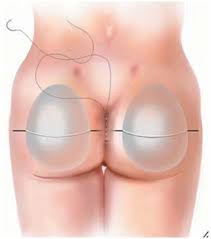 Buttock augmentation is an aesthetic procedure that aims to increase the size and projection of the buttocks. Several methods exist, the most common being the use of buttock implants or the patient's own fat (lipofilling).
For buttock prostheses, the surgeon makes an incision in the fold between the buttocks or on the side, then inserts a silicone implant under the gluteal muscle. Implants come in different sizes and shapes to fit the patient's morphology.
For lipofilling, the surgeon performs liposuction on an area of the body where there is excess fat, such as the thighs or abdomen. This fat is then purified and injected into the buttocks to increase their size and projection.
Who is this procedure for?
Good candidates for buttock augmentation with prostheses are generally healthy adults. They must have a stable weight and a BMI below 30. Ideal candidates have enough body fat to serve as a natural cushion around the implants. The procedure is best suited for people of normal or slightly overweight weight. Patients with flat, sagging or asymmetrical buttocks are also good candidates. Those who have undergone significant weight loss can benefit from this procedure. Congenital asymmetry can also be corrected to add volume and improve symmetry.
What are the alternatives to prostheses?
Buttock augmentation with prostheses is a popular surgical option to improve the shape and volume of the buttocks. For those who prefer to avoid this procedure, several non-surgical alternatives exist. Lipofilling, or autologous fat transfer, offers natural results using the patient's own fat harvested elsewhere on the body. This method carries less risk of rejection than implants and can be combined with prostheses for optimal effect. However, it requires a sufficient amount of fat available in the patient. Temporary solutions such as compression garments or filler injections can also provide slight volume. Finally, a buttock lift surgery allows tightening the skin without adding volume, with discreet scars in the natural folds.
How is the procedure performed?
Gluteoplasty with prostheses is the most common technique to increase buttock volume and improve projection. This procedure involves inserting anatomical silicone implants, generally under the gluteus maximus muscle, to achieve a natural and harmonious result. The incision is made in the gluteal fold, which allows the scar to be hidden once healing is complete. Performed under general anesthesia, the procedure lasts on average one to two hours and requires one to two days of hospitalization. Rigorous post-operative follow-up is essential to promote good recovery, including wearing a compression garment and avoiding certain positions for several weeks.
Is it painful?
After buttock augmentation with prostheses, moderate to intense pain is expected during the first days, but it can be alleviated with prescribed painkillers and cold or warm compresses. Discomfort during movements, such as getting up or sitting down, is also common. To promote recovery without complications, it is essential to strictly follow post-operative instructions.
What are the post-operative effects?
After buttock augmentation with prostheses, patients must avoid sleeping on their back for several weeks, preferring the side or stomach to reduce pressure on the buttocks, which can cause additional discomfort. Bruising and swelling are common, and can be reduced with cold compresses to limit swelling and discomfort. Recovery generally lasts two to six weeks, during which physical activities and excessive movements are discouraged to prevent complications. With appropriate post-operative care and prescribed painkillers, patients can manage pain and promote quick and effective healing.
What are the different implant options?
For buttock augmentation, several types of prostheses exist, each with its specificities and advantages. Round implants are the most commonly used, their circular shape offering a rounded and highly projected appearance, ideal for a spectacular result. Oval prostheses, on the other hand, more naturally follow the buttock curve and are better suited to thin morphologies. Finally, anatomical implants imitate the natural shape of the buttocks, correct asymmetries and provide a subtle and harmonious result. The choice is made according to the morphology and expectations of each patient.
What are the advantages?
Buttock augmentation with prostheses improves the silhouette by adding volume, contour and shape. It brings proportion and balance, particularly for women seeking curves. Beyond aesthetics, this surgery offers major psychological benefits for well-being. Body dissatisfaction can cause stress, depression and anxiety, reducing quality of life. This procedure improves self-esteem and reduces this psychological distress. Socially, it strengthens self-image and facilitates cultural integration. In some communities, the valorization of this silhouette provides social and professional benefits.
What are the risks and complications?
Risks related to buttock augmentation with prostheses are varied and must be taken into account before any surgical procedure. Among the most frequent is hematoma, which results from blood accumulation in tissues after vascular injury, potentially causing painful pressure and sometimes requiring surgical revision. Another notable risk is the formation of blood clots in the legs, a serious complication that requires prompt management to prevent worsening.
More rarely, prosthesis rupture may occur, exposing the patient to infection, inflammation or definitive loss of the implant. In this case, a new intervention may be necessary to remove the prosthesis and limit infectious risks. Furthermore, other complications may appear, such as buttock asymmetry, unsightly scars or local infection. Finally, post-operative pain and the duration of convalescence are often difficult periods to experience, requiring rigorous medical follow-up and great patience from the patient.
What results can be expected?
The final result of buttock augmentation with prostheses depends on the patient's expectations, the technique used and the choice of implant. The surgeon discusses realistic goals and helps select the most suitable prosthesis. After the procedure, the buttocks gain in volume, roundness and projection. The result is generally permanent, although sagging may occur over time. This procedure not only improves the silhouette, but also self-confidence. An in-depth discussion with a qualified surgeon is essential to achieve an optimal result.
What is the price of buttock augmentation in Tunisia?
Tunisia offers very competitive prices for buttock augmentation, with savings of up to 50% compared to European prices. Our all-inclusive package includes consultation with the plastic surgeon as well as necessary pre-operative examinations. The surgical procedure, performed by implants or lipofilling, is covered with certified silicone prostheses. Hospitalization in a private room is planned for 1 to 2 nights, depending on the chosen technique. Post-operative care, medications, follow-up consultation at 15 days and medical follow-up for 6 months are also included. The package is offered from €2,350 for lipofilling and €5,500 for implants, depending on the desired volume. A personalized quote is established according to your specific needs.
Frequently asked questions about buttock augmentation
1How long does it take to sit normally after buttock augmentation?
It is advised to avoid sitting directly on the buttocks for 2 to 3 weeks after the procedure. Using a special cushion (donut type) or lying on the stomach or side is recommended. Resuming normal sitting position is generally possible after 4 to 6 weeks.
2Can buttock augmentation be combined with another cosmetic surgery?
Yes, it is possible to combine buttock augmentation with liposuction (to harvest fat in case of lipofilling) or with abdominoplasty. This approach, called "body lift," allows remodeling several body areas in a single procedure. Feasibility depends on the patient's health and total anesthesia duration.
3Are buttock implants covered by health insurance?
In Tunisia, buttock augmentation with implants is considered cosmetic surgery and is not covered by social security. Some international mutual insurance companies may cover part of the costs, but this depends on your contract. It is advisable to check with your provider before traveling.
4What scar care is needed after buttock augmentation?
Scars are placed in the gluteal fold or on the side of the buttocks to be discreet. It is advised to keep dressings clean and dry for 48 hours, then gently clean the area with mild soap. Application of scar creams is recommended after stitch removal (10 to 14 days). Avoid sun exposure for 6 months.
5Can buttock augmentation be performed after significant weight loss?
Yes, buttock augmentation is often indicated after significant weight loss (post-bypass or sleeve), as skin and tissues may lose tone. A complete medical assessment is necessary to evaluate skin elasticity and determine the best technique (implants or lipofilling) according to needs.
6What is the lifespan of a buttock implant?
Silicone buttock implants are designed to last many years, generally 10 to 20 years. They can be removed or replaced if necessary. Regular follow-up with your surgeon allows monitoring the condition of the implants and detecting any abnormality early.
7Can you fly after buttock augmentation?
It is advised to wait 10 to 15 days after the procedure before flying, allowing sufficient healing. For long-haul flights, it is recommended to wear compression stockings, get up regularly and use a cushion to relieve pressure on the buttocks. Prior medical advice is essential.
Why choose Tunisia for buttock augmentation?
Tunisian plastic surgeons are trained in Europe and the United States, mastering cutting-edge techniques such as certified brand implants and latest-generation lipofilling. Prices are very competitive, up to 50% cheaper than in Europe, for equivalent quality of care. Care is fast, with surgery scheduled within 1 to 2 weeks. Personalized follow-up is provided before, during and after the procedure to guarantee optimal results and a serene experience.
In conclusion
Buttock augmentation is an effective surgical procedure to improve the shape, volume and projection of the buttocks, whether through implants or lipofilling. In Tunisia, Tunisie Esthetic offers you quality care, performed by experienced plastic surgeons, with modern techniques and attractive prices. Do not hesitate to contact us for a personalized quote and an in-depth consultation.