Colon Surgery - Colectomy
Do you suffer from a colon disease requiring surgical intervention? Colon surgery in Tunisia (colectomy) is a digestive surgical specialty that effectively treats colon cancer, diverticulitis, Crohn's disease and ulcerative colitis. With attractive prices starting from €4000, benefit from experienced digestive surgeons and modern techniques (laparoscopy).
What is colon surgery?
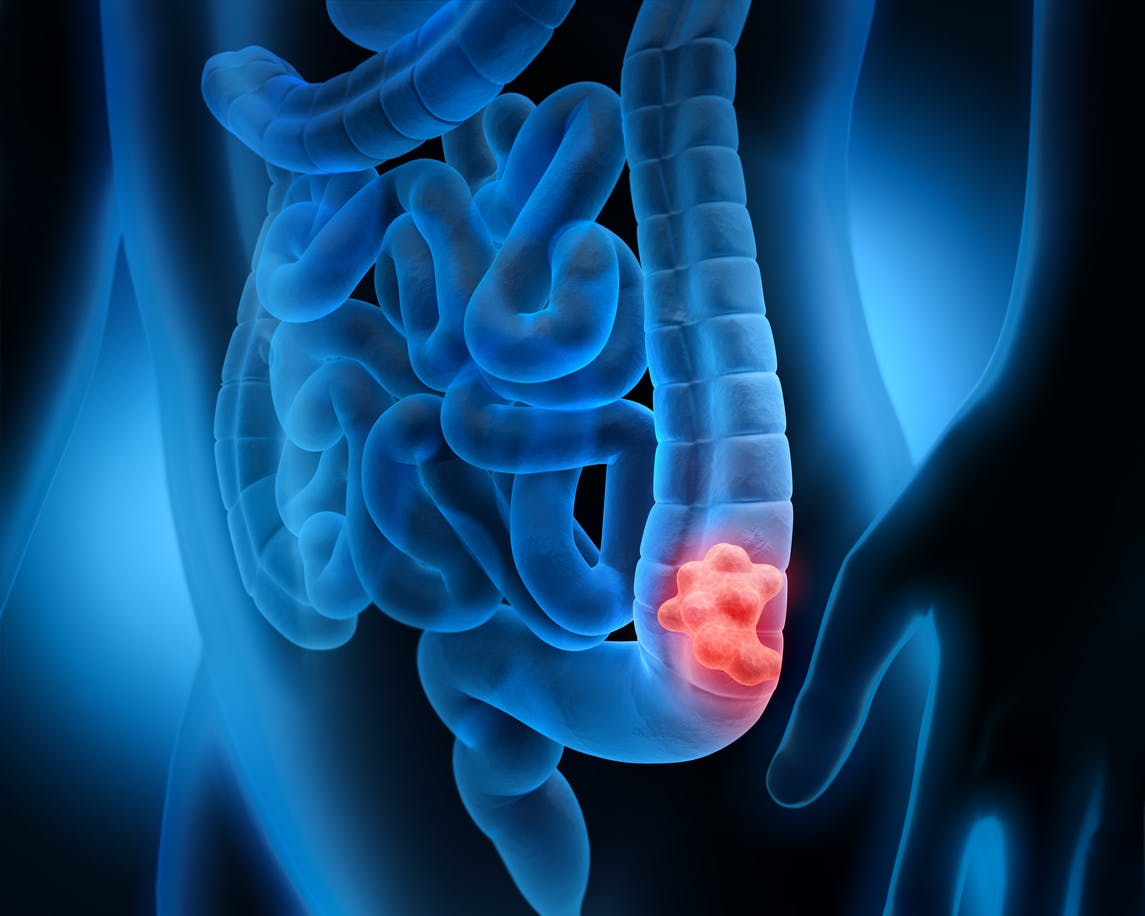 Colon surgery (or colectomy) is a surgical procedure that involves removing part or all of the colon. The colon is the part of the large intestine located between the small intestine and the rectum.
- Used to treat colon cancer, diverticulitis, Crohn's disease, ulcerative colitis
- Can be performed by laparotomy (open approach) or laparoscopy (minimally invasive)
- Objective: Remove the diseased part and restore intestinal continuity
What are the different types of colon surgery?
1. Right colectomy
Right hemicolectomy is a surgical procedure that removes the right part of the colon. It is indicated in cases of right colon cancer, Crohn's disease, ulcerative colitis or polyps. The procedure is performed under general anesthesia, by laparoscopy or laparotomy. Digestive continuity is restored by anastomosis. Hospitalization generally lasts 3 to 7 days depending on progress. Medical follow-up is provided after the procedure. Control consultations are scheduled to monitor healing. Therapeutic education is offered if a stoma is necessary. This surgery is well codified and offers good results. Prognosis depends on the stage of the underlying disease. Regular monitoring is recommended to detect any possible recurrence.
2. Left colectomy
Left hemicolectomy is a surgical procedure performed under general anesthesia to remove part of the left colon, generally in cases of cancer, severe diverticulitis or intestinal obstruction. This procedure can be performed by laparoscopy or laparotomy, depending on the clinical context, and is followed by anastomosis to restore continuity between the remaining colon and the rectum, to preserve digestive function. Post-operative effects are closely monitored, with gradual resumption of feeding and adapted pain management, to ensure optimal patient recovery.
3. Hartmann's procedure
Abdominoperineal resection is a radical surgical procedure. It removes the lower part of the colon, the rectum and the anus. This procedure requires the creation of a permanent colostomy. It is indicated in cases of rectal cancer. It is also used for severe diverticulitis. The procedure is reserved for patients without possible anastomosis.
4. Colostomy
Stoma involves creating an artificial opening in the abdomen to evacuate stools through the abdominal wall. This procedure can be temporary or permanent depending on the case. It is generally indicated for cancer, Crohn's disease or ulcerative colitis.
5. Colostomy closure
This procedure restores intestinal continuity after a temporary colostomy. It is performed under general anesthesia, by laparoscopy or laparotomy. Stools are then again evacuated through the natural route.
How is colon surgery performed?
The procedure begins with general anesthesia that puts the patient to sleep. The surgeon then performs a laparotomy or small incisions by laparoscopy. The diseased part of the colon is removed during the resection. The two healthy ends are then connected by anastomosis. A colostomy, or artificial anus, may be created if necessary. Closure is done with sutures and a dressing. The total duration of the operation varies from 2 to 4 hours depending on complexity.
What are the post-operative effects?
Hospitalization generally lasts 3 to 7 days depending on the type of procedure. Painkillers are prescribed to manage post-operative pain. Diet is resumed gradually, starting with liquids then solids. Early mobilization is encouraged, with getting up and walking from the first days. Careful monitoring is provided for drains, scars and possible complications. In case of colostomy, stoma care training is also offered.
What are the risks and complications?
Several complications may occur after this procedure. Surgical site infection is sometimes observed, although it remains rare. Bleeding may also occur. Anastomotic leak is a serious complication to monitor. Intestinal obstruction is another possible eventuality. Complications related to anesthesia should also be considered. In exceptional cases, worsening of symptoms may be observed.
What is the price of colon surgery in Tunisia?
Colon surgery in Tunisia is offered at very competitive prices. Our all-inclusive packages are available from 4,000 euros. This package includes consultation with the digestive surgeon and pre-operative examinations. The surgical procedure is performed according to the type of procedure required. Hospitalization in a private room is planned for 3 to 7 days. Post-operative care, medications and medical follow-up are covered. Control consultations are also scheduled. Therapeutic education is offered if a stoma is necessary. The indicative price varies from 4,000 to 8,000 euros depending on case complexity. Request your personalized quote for an accurate estimate.
Frequently asked questions about colon surgery
1What are the different types of colon surgery?
The main types are: right colectomy (removal of the right colon), left colectomy (removal of the left colon), Hartmann's procedure (removal of the rectum with colostomy), and colostomy (creation of an artificial anus).
2Is colon surgery painful?
The procedure is performed under general anesthesia, so it is painless during the operation. After surgery, moderate pain is controlled with painkillers prescribed by the surgeon.
3How long is hospitalization after colon surgery?
Hospitalization duration varies depending on the procedure: 3 to 5 days for a colectomy, 5 to 7 days for Hartmann's procedure, and 2 to 3 days for colostomy closure.
4Is colostomy permanent?
Colostomy can be temporary or permanent. A temporary colostomy is often performed to allow the colon to heal, then a closure procedure is performed. A permanent colostomy is necessary when the rectum is completely removed.
5Can you eat normally after colon surgery?
Diet is resumed gradually: liquids then soft foods in the first few days. Normal eating is generally possible within a few weeks. Dietary follow-up is recommended.
6What are the risks of colon surgery?
Risks include infections, bleeding, anastomotic leaks, intestinal obstructions, complications related to anesthesia and, in rare cases, worsening of symptoms.
7Can you resume sports after colon surgery?
Return to sports is gradual: walking from the first days, light activities at 4-6 weeks, impact sports at 3 months. The time depends on the type of procedure and the surgeon's advice.
Why choose Tunisia for colon surgery?
Tunisia has established itself as a reference destination for digestive surgery. Digestive surgeons are experienced and trained in Europe, mastering modern techniques such as laparoscopy and minimally invasive surgery. Prices are very competitive, with reductions of up to 50% compared to Europe. Care is fast, with surgery scheduled within 1 to 2 weeks. Finally, personalized support is offered with medical follow-up and adapted therapeutic education.
In conclusion
Colon surgery is a major procedure that effectively treats colon diseases. In Tunisia, Tunisie Esthetic offers you quality care, performed by experienced digestive surgeons, with modern techniques and competitive prices. Do not hesitate to contact us for a personalized quote.