Spine Surgery
Do you suffer from persistent back pain or spinal column problems? Spine surgery in Tunisia is a neurosurgical specialty that effectively treats herniated discs, stenosis, scoliosis and vertebral fractures. With attractive prices starting from €4000, benefit from experienced neurosurgeons and modern techniques.
Spine surgery: what is it?
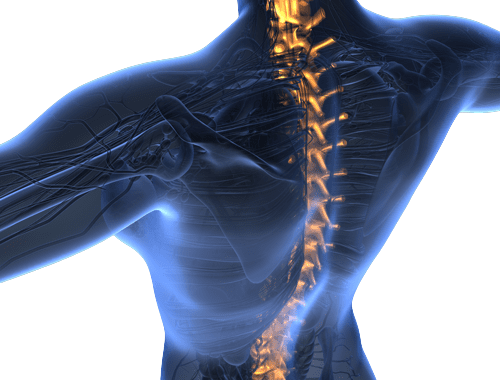 Spine surgery (or spinal column surgery) is a surgical discipline that aims to treat pathologies of the spinal column. The spinal column is made up of 33 vertebrae stacked on top of each other, with intervertebral discs between them that act as shock absorbers.
- Treats herniated discs, vertebral fractures, scoliosis, spinal stenosis
- Objective: Relieve pain, improve function, stabilize the spine
- Techniques: Discectomy, laminectomy, spinal fusion, vertebroplasty
When is spine surgery necessary?
Spine surgery in Tunisia is a surgical option to treat pathologies such as herniated disc, spinal stenosis, vertebral fractures, tumors, or scoliosis. It is generally considered as a last resort after failure of non-surgical treatments.
What are the different types of spine surgery?
Spine surgery can include several techniques, depending on the pathology to be treated and the surgical objective. Discectomy involves removing part or all of a herniated intervertebral disc to decompress the nerve roots. Laminectomy is performed to relieve spinal cord pressure. Spinal fusion stabilizes the spine by connecting two or more vertebrae. Vertebroplasty reinforces a weakened vertebra by injecting cement. Finally, foraminotomy enlarges the nerve exit hole to relieve compression.
How is spine surgery performed?
Spine surgery is performed under general anesthesia, ensuring the patient remains asleep throughout the procedure, without feeling any pain. The patient is then placed on the operating table in a comfortable and secure position, adapted to the spinal region to be treated. The surgeon makes a skin incision at the exact level of the target area, then proceeds to remove the tissues responsible for compression, whether a herniated disc, tumor or bone fragment. If necessary, stabilization is performed by placing implants such as screws, plates or interbody cages. Finally, the incision is closed with sutures and a dressing is applied. The total duration of the operation varies from 1 to 4 hours depending on the complexity of the surgical procedure.
How long is hospitalization?
Hospitalization duration after spine surgery varies depending on the type of procedure and the patient's recovery capacity. Laminectomy generally requires 1 to 2 days of hospitalization. Discectomy is followed by a stay of 2 to 3 days. In contrast, spinal fusion can extend hospitalization to 3 to 7 days. The exact duration is adapted to each case.
What are the possible risks and complications?
Spine surgery carries risks, although these remain rare with rigorous technique. Infection may occur, but is prevented by systematic antibiotic prophylaxis. Peri- or post-operative bleeding is possible, but generally controlled during the procedure. Nerve damage is rare, as is cerebrospinal fluid leak. Complications related to anesthesia are exceptional. Finally, worsening of symptoms is a very rare risk. The expected benefit of surgery generally outweighs these risks.
How does post-operative recovery proceed?
Post-operative recovery after spine surgery follows a well-codified progression. During the first days, rest is essential, with pain management and gradual mobilization under supervision. During the first weeks, wearing a corset or lumbar belt is often recommended. Physiotherapy begins around 1 to 3 months to strengthen back muscles. Return to work is possible between 1 and 3 months depending on the profession. Finally, return to sports is possible after 3 to 6 months.
What to do after surgery?
For optimal recovery after spine surgery, it is essential to follow the surgeon's instructions to the letter. Avoid intense physical activities, such as running or contact sports. Maintain good posture, even while sleeping, to protect the spine. Sudden movements and twisting should be avoided. A healthy diet promotes healing. Medications should be taken as prescribed. Rehabilitation exercises recommended by the physiotherapist are essential. Finally, monitor any signs of complications, such as fever or intense pain.
What is the price of spine surgery in Tunisia?
Spine surgery in Tunisia is offered at very competitive prices, with all-inclusive packages starting from 4,000 euros depending on case complexity. This package includes consultation with a spine neurosurgeon as well as pre-operative examinations necessary for patient evaluation, such as MRI, CT scan and blood tests. The surgical procedure, whether discectomy, laminectomy or spinal fusion, is covered as is hospitalization in a private room and post-operative care. Medical follow-up, control consultations and basic post-operative rehabilitation are an integral part of the package, with an indicative price varying from 4,000 to 12,000 euros depending on the extent of the surgical procedure and possible complications. A personalized quote can be established upon request to meet each patient's specific needs.
Frequently asked questions about spine surgery
1Is spine surgery painful?
The procedure is performed under general anesthesia, so it is painless during the operation. After surgery, moderate pain is controlled with painkillers prescribed by the surgeon.
2How long is hospitalization after spine surgery?
Hospitalization duration varies depending on the procedure: 1 to 2 days for laminectomy, 3 to 5 days for discectomy, and 5 to 7 days for spinal fusion. Rehabilitation is often necessary after discharge.
3What are the different types of spine surgery?
The main types are: discectomy (removal of a herniated disc), laminectomy (relief of nerve pressure), spinal fusion (stabilization), vertebroplasty (vertebral reinforcement) and foraminotomy (enlargement of the nerve exit hole).
4When is spine surgery necessary?
Surgery is indicated in case of failure of conservative treatments (medications, physiotherapy), severe pain, progressive neurological deficit, or signs of spinal cord compression (cauda equina syndrome).
5Does spine surgery leave visible scars?
Scars are generally located on the back, along the spine. Their size depends on the type of procedure. Minimally invasive techniques reduce the size of incisions and scars.
6Can you resume sports after spine surgery?
Return to sports is gradual: walking from the first days, swimming at 2-3 months, impact sports at 6 months. The time depends on the type of procedure and the surgeon's advice.
7What are the risks of spine surgery?
Risks include infections, bleeding, nerve damage, cerebrospinal fluid leak, complications related to anesthesia and, in rare cases, worsening of symptoms. These risks are reduced with an experienced surgeon.
Why choose Tunisia for spine surgery?
Tunisia has highly experienced neurosurgeons, trained in Europe. They use modern equipment such as MRI and CT scan. Operating rooms are state-of-the-art to guarantee precise procedures. Prices are competitive, up to 50% cheaper than in Europe. Care is fast, with surgery within 1 to 2 weeks. Personalized support ensures quality medical follow-up and adapted rehabilitation.
In conclusion
Spine surgery is a neurosurgical discipline that effectively treats pathologies of the spinal column. In Tunisia, Tunisie Esthetic offers you quality care, performed by experienced neurosurgeons, with modern techniques and competitive prices. Do not hesitate to contact us for a personalized quote.