Claw Toe - Foot Surgery
Do you suffer from foot pain due to deformed claw toes? Claw toe in Tunisia is a toe deformity that can make walking painful and limit shoe choices. In Tunisia, specialized orthopedists offer minimally invasive surgical treatment at affordable prices to correct this deformity and relieve pain.
What is claw toe?
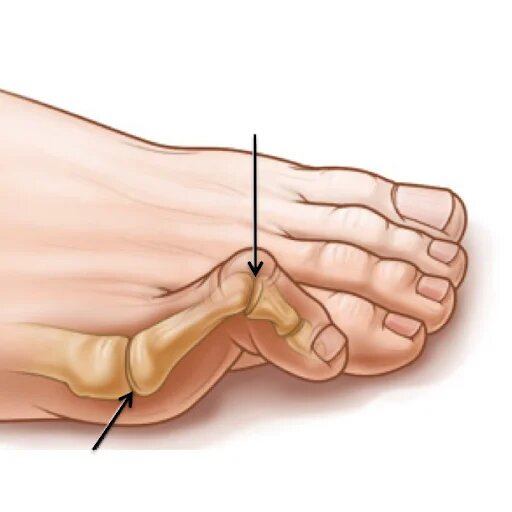 Claw toe is a deformity of the toes characterized by excessive flexion of the interphalangeal joints. The toes curl downward, taking the appearance of a claw. This condition can affect any toe, but most often affects the second, third or fourth toe. Claw toe can be flexible (manually correctable) or rigid (fixed), which determines therapeutic options.
Causes of claw toe
Claw toe can be caused by several factors. A muscle imbalance between flexors and extensors is the most common cause. Nerve injuries, such as diabetic neuropathy, can cause weakness. Neurological diseases can cause deformities. Ill-fitting shoes exert excessive pressure. Aging leads to loss of strength and flexibility. Genetic factors can also predispose to this deformity.
Symptoms of claw toe
Symptoms of claw toe can vary in intensity. Pain is the most common symptom, especially when walking. Corns and calluses form on pressure areas. Callosities may appear. Difficulty finding suitable shoes is common. Aesthetic discomfort may be felt. In severe cases, ulcers may form. Pain can be intermittent or permanent.
Diagnosis of claw toe
Diagnosis of claw toe is primarily clinical. Medical examination assesses the degree of deformity and toe mobility. X-rays are performed to visualize the joints and rule out another cause. A neurological assessment may be necessary if neuropathy is suspected. A podological examination evaluates plantar pressure distribution. Vascular assessment is important in diabetic patients.
Non-surgical treatments
Several non-surgical treatments are available for claw toe. Wearing appropriate shoes is essential. Plantar orthoses correct toe position. Silicone protections relieve pressure on painful areas. Stretching and strengthening exercises are useful. Corticosteroid injections can reduce inflammation. These treatments are effective for flexible forms and early stages.
Claw toe surgery
Surgery is indicated in case of failure of conservative treatments or rigid deformity. Arthroplasty removes part of the bone to reduce joint contraction. Arthrodesis fuses the joint to stabilize the toe. Percutaneous surgery realigns the toe through small incisions. Tenodesis transfers a tendon to rebalance forces. Resection of the phalangeal head corrects severe deformities. The procedure lasts 20 to 45 minutes per toe.
Post-operative recovery
Post-operative recovery after claw toe surgery is simple. Post-operative pain is moderate and controlled with painkillers. A dressing is applied to the operated area. Wearing a post-operative shoe is recommended for 2 to 4 weeks. Walking is possible the next day. Sutures are removed in 10 to 14 days. Return to daily activities is possible in 1 to 2 weeks. Return to sports is progressive. Physiotherapy may be prescribed to promote recovery.
Results of surgery
Results of claw toe surgery are excellent. Pain relief is achieved in 85 to 95% of cases. Correction of the deformity is lasting. Return to normal walking is possible. Quality of life is significantly improved. Complication rate is low, less than 5%. Recurrences are rare. Wearing appropriate shoes is recommended. Regular follow-up is necessary to monitor evolution.
Risks and complications
Claw toe surgery carries risks, although rare. Infection is rare. Hematoma may occur. Persistent pain is possible. Joint stiffness is possible if arthrodesis. Recurrence occurs in 5 to 10% of cases. Necrosis is rare. Nerve damage is possible. Healing defect may occur. Anesthetic complications are possible. Choosing an experienced surgeon minimizes these risks.
What is the price of claw toe treatment in Tunisia?
Tunisia offers very competitive prices for claw toe treatment. Surgery for one toe on an outpatient basis costs between €800 and €1,200. Surgery for two toes is priced from €1,200 to €1,800. Surgery for three toes or more ranges from €1,800 to €2,500. Minimally invasive percutaneous surgery is offered from €1,000 to €1,500. A complete package includes consultations, procedure, post-operative shoe and follow-up. These prices are up to 50 to 60% cheaper than in Europe, without compromising on quality.
Frequently Asked Questions about Claw Toe
1Is claw toe a painful condition?
Claw toe can be painful, especially when walking or wearing shoes. The pain is often caused by pressure from the shoe on the deformed toe, which can lead to corns, calluses or hard skin. Pain can range from mild to severe depending on the degree of deformity.
2What is the difference between a claw toe and a hammer toe?
Claw toe is a deformity where the toes curl downward like a claw, with flexion of both interphalangeal joints. Hammer toe is a deformity where the toe bends upward at the proximal joint, resembling a hammer. Both can be painful and require surgical correction.
3Is claw toe surgery performed under local anesthesia?
Claw toe surgery can be performed under local anesthesia, locoregional or general depending on the extent of the procedure and patient and surgeon preferences. Local anesthesia is often used for simple corrections, while general anesthesia is preferred for multiple or complex corrections.
4What is the hospitalization duration for claw toe surgery?
Claw toe surgery is generally performed on an outpatient basis, meaning the patient can go home the same day of surgery. In some cases, an overnight hospitalization may be recommended for post-operative monitoring, especially if multiple toes are operated simultaneously.
5Can claw toes be corrected with exercises?
In mild and early stage cases, stretching and strengthening exercises for toe muscles can help improve mobility and slow the progression of the deformity. However, if the deformity is rigid or severe, exercises cannot completely correct the claw toe and surgery may be necessary.
6Is claw toe surgery definitive?
Claw toe surgery provides a definitive correction of the deformity in most cases. Results are generally durable and patients regain normal foot function. However, wearing appropriate shoes is recommended to avoid recurrence or the appearance of new deformities.
7When can I resume driving after claw toe surgery?
Driving can generally be resumed after 1 to 2 weeks, when pain is controlled and foot mobility is sufficient to perform emergency braking. It is recommended to wait for the surgeon's advice before getting behind the wheel, especially if the right foot is operated.
Why choose Tunisia for your claw toe surgery?
Tunisia is a recognized destination for orthopedics and foot surgery. Its orthopedists are trained to international standards. They have extensive experience in claw toe correction techniques. Clinics are modern with cutting-edge technology. Prices are competitive with significant savings. Care is prompt and personalized. Tunisia offers a pleasant setting for recovery.
In Conclusion
Claw toe is a foot deformity that can be effectively treated by minimally invasive surgery. In Tunisia, Tunisie Esthetic offers you quality care, performed by specialized orthopedists, with modern techniques and competitive prices. Feel free to contact us to discuss your situation and obtain a personalized quote.