Serious Illnesses - Severe Pathologies
You or a loved one suffer from a severe pathology requiring specialized care? Serious illnesses in Tunisia are conditions that threaten life or functional prognosis in the short or medium term. In Tunisia, multidisciplinary medical teams provide comprehensive care in intensive care and resuscitation at competitive prices.
What are serious illnesses?
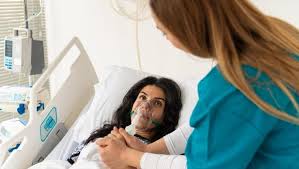 Serious illnesses (or severe pathologies) are conditions that threaten life prognosis (risk of death) or functional prognosis (risk of severe disability, invalidity). They require specialized management, often multidisciplinary, and sometimes intensive care or resuscitation.
Main categories of serious illnesses
Severe pathologies are classified by medical specialty. Serious cardiovascular diseases include myocardial infarction and decompensated heart failure. Cardiogenic shock, aortic dissection and pulmonary embolism are also concerned. Serious respiratory diseases include decompensated COPD and acute severe asthma. ARDS, severe pulmonary fibrosis and massive hemoptysis are included. Serious neurological diseases include ischemic or hemorrhagic stroke. Severe traumatic brain injury and bacterial meningitis are concerned. Encephalitis and status epilepticus are among the emergencies. Serious infectious diseases include severe sepsis and septic shock. Purulent meningitis, infective endocarditis and severe malaria are included. Advanced or metastatic cancerous diseases are serious. Paraneoplastic syndromes and complications are severe. Serious renal diseases include anuric acute renal failure. Severe hyperkalemia and metabolic acidosis are emergencies. Serious liver diseases include acute hepatocellular failure. Hepatic encephalopathy and digestive hemorrhage from variceal rupture are serious.
Warning signs of a serious illness
Common warning signs should raise suspicion of a severe pathology. Persistent high fever above 39 °C is a warning sign. Hypothermia below 36 °C is also a sign. General deterioration manifests as severe asthenia. Anorexia and involuntary weight loss are concerning. Respiratory distress presents as dyspnea at rest. Cyanosis or SpO2 below 90% are serious. Cardiovascular signs include chest pain and palpitations. Lipothymia, syncope or hypotension are warning signs. Neurological signs include sudden headaches and confusion. Drowsiness, coma or convulsions are urgent. Digestive signs include uncontrollable vomiting and hematemesis. Melena, jaundice or severe abdominal pain are alarm signs.
Management of serious illnesses in Tunisia
Management is multidisciplinary and based on specialized care pathways. Early diagnosis and referral to a specialist are essential. Diagnostic exams include biological tests such as CBC and CRP. Imaging includes ultrasound, X-ray, CT scan and MRI. Endoscopies and biopsies are performed as needed. Specialist consultations are provided by cardiologists, neurologists and other specialists. Rapid access to specialists is guaranteed.
Intensive care and resuscitation
Serious cases require hospitalization in resuscitation or intensive care. Acute respiratory distress requires non-invasive or invasive ventilation. Shock is treated with fluid resuscitation and vasopressors. Acute renal failure requires continuous hemofiltration. Coma or status epilepticus is monitored by EEG. Severe sepsis is managed with intravenous antibiotic therapy. Vital parameters are continuously monitored by monitor and oximetry. Invasive blood pressure is also measured regularly.
Results and prognosis
Prognosis depends on the type of disease and its severity. Age and comorbidities also influence prognosis. Speed of management is decisive. Survival rates are improved by early management. A multidisciplinary approach is essential. Rehabilitation is often necessary. Long-term follow-up reduces sequelae. It also improves quality of life.
What is the price of management of serious illnesses in Tunisia?
Tunisia offers very competitive prices for the management of serious illnesses. A complete diagnostic assessment costs between €300 and €800. A 7-day intensive care hospitalization is priced from €3,000 to €6,000. A 7-day resuscitation hospitalization ranges from €5,000 to €10,000. Complete management is established on a personalized quote. These prices are up to 50 to 70% cheaper than in Europe, without compromising on quality.
Frequently Asked Questions about Serious Illnesses
1What is the difference between a serious illness and a chronic illness?
A serious illness threatens life or functional prognosis in the short or medium term (e.g.: myocardial infarction, massive stroke, severe sepsis). A chronic illness is a long-term condition that progresses slowly (e.g.: diabetes, hypertension, stable COPD). A chronic illness can decompensate and become serious.
2What specialized hospital services are available in Tunisia for serious illnesses?
Tunisia has modern specialized hospital services: intensive care units (ICU) and resuscitation, interventional cardiology (cath lab), neurology (Stroke Units), pulmonology, infectious diseases, nephrology (hemodialysis), hepatology, oncology, hematology, neurosurgery and thoracic surgery.
3How is the management of a patient with a serious illness in Tunisia?
Management is multidisciplinary: early diagnosis by imaging and biological tests, referral to the appropriate specialist, hospitalization in intensive care or resuscitation if necessary, specific treatment according to the pathology, long-term follow-up with rehabilitation and control consultations.
4What are the admission criteria for resuscitation for a serious illness?
Admission criteria for resuscitation include: acute respiratory distress (requiring ventilation), hemodynamic instability (shock), coma or altered consciousness, acute renal failure, severe sepsis, or any multiple organ failure requiring continuous monitoring and intensive care.
5What is the waiting time for a specialist consultation in Tunisia?
The waiting time for a specialist consultation in Tunisia is generally short: 24 to 72 hours in an emergency, 1 to 2 weeks for a scheduled consultation. Imaging exams (CT scan, MRI) are performed within similar timeframes, allowing rapid management.
6Does Tunisia have reference centers for rare diseases?
Yes, Tunisia has university hospital reference centers for rare diseases, notably hereditary metabolic diseases, neuromuscular diseases, systemic autoimmune diseases and malignant hematological pathologies. These centers are linked to European reference networks.
7What is the role of rehabilitation in the management of serious illnesses?
Rehabilitation is essential after a serious illness to prevent sequelae and promote return to autonomy. It includes physiotherapy (mobilization, muscle strengthening), speech therapy (language and swallowing rehabilitation), occupational therapy (home adaptation) and cardiorespiratory rehabilitation.
Why choose Tunisia for the management of serious illnesses?
Tunisia has modern specialized hospital services. Medical teams are trained to international standards. Technical platforms are equipped with MRI and CT scanners. Coronary angiography and neuroradiology rooms are available. Specialists are qualified in cardiology, neurology and resuscitation. Access to care is quick with reduced waiting times. All-inclusive packages are offered including consultations, exams and follow-up.
In Conclusion
Serious illnesses require rapid, specialized and multidisciplinary management. In Tunisia, Tunisie Esthetic offers you access to quality care, provided by experienced medical teams, in modern facilities and at competitive prices. Feel free to contact us to discuss your situation and obtain a personalized quote.