Hypoxemic pneumonitis
Do you or a loved one suffer from severe respiratory distress? Hypoxemic pneumonitis in Tunisia is managed by experienced pulmonologists and intensivists in modern facilities equipped with state-of-the-art technology. Rapid diagnosis, high-flow oxygen therapy, non-invasive ventilation (NIV), mechanical ventilation, prone positioning and ECMO are available depending on the severity of the clinical picture.
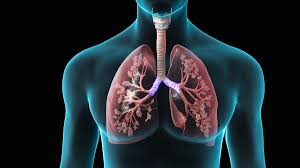
What is hypoxemic pneumonitis?
Hypoxemic pneumonitis (or hypoxemic respiratory distress) is a clinical syndrome characterized by severe hypoxemia: a dangerous drop in blood oxygen levels (PaO2 < 60 mmHg or oxygen saturation < 90%) despite high-flow oxygen therapy.
This condition is often secondary to severe pneumonia, bacterial or viral. Acute respiratory distress syndrome may be the cause. Pulmonary embolism is also a frequent cause. Cardiogenic pulmonary edema can cause severe hypoxemia. Acute lung injury post-trauma is another possible cause. Our pulmonology and intensive care services in Tunisia are equipped for these emergencies 24/7.
Why should hypoxemic pneumonitis be treated as an emergency?
Severe hypoxemia exposes patients to serious complications if management is not rapid. Multiorgan failure can affect the brain, heart or kidneys. Metabolic acidosis occurs due to tissue hypoxia. Pulmonary arterial hypertension and acute cor pulmonale may appear. Death by asphyxiation is possible if oxygenation is not corrected.
What are the signs of hypoxemic pneumonitis?
Symptoms of severe hypoxemia are those of acute respiratory distress. Severe dyspnea and tachypnea above 30 cycles per minute are present. Cyanosis may appear. Use of accessory respiratory muscles is visible. Signs of cerebral hypoxia such as confusion or drowsiness occur. Tachycardia is often present. Oxygen saturation below 90% is observed.
How is the diagnosis made in Tunisia?
Management of suspected hypoxemic pneumonitis is an emergency. Arterial blood gas measures PaO2 and the PaO2/FiO2 ratio. Chest X-ray or CT scan looks for bilateral infiltrates. Echocardiography rules out a cardiogenic cause. Infectious workup includes blood cultures and PCR for COVID-19 or influenza. Biological workup includes CBC, CRP and procalcitonin. In Tunisia, blood gas is immediate. X-ray is available in less than 30 minutes. Chest CT can be obtained within 2 hours.
What treatments are available?
Management is based on international protocols and ideally takes place in a respiratory intensive care unit or ICU.
High-flow oxygen therapy (HFNO)
High-flow nasal oxygen therapy (optiflow) delivers a humidified and heated air-oxygen mixture up to 60 L/min. This technique significantly improves oxygenation and reduces the work of breathing. In cases of moderate hypoxemia, it avoids intubation in 50 to 70% of cases.
Non-Invasive Ventilation (NIV)
NIV (face mask) is indicated in cases of severe hypoxemia (PaO2/FiO2 between 150 and 300) without signs of exhaustion or coma. Close monitoring is necessary because NIV failure delays intubation and worsens the prognosis.
Invasive mechanical ventilation (IMV)
Endotracheal intubation and mechanical ventilation are essential in cases of severe hypoxemia. They are necessary in the presence of signs of respiratory exhaustion. Coma or hemodynamic instability also require them. Failure of non-invasive methods is another indication. Our intensivists use lung-protective strategies. Low tidal volume of 4 to 6 mL/kg is applied. High PEEP is used. Plateau pressure is maintained below 30 cmH2O. Alveolar recruitment maneuvers are performed.
Prone positioning
For severe ARDS (PaO2/FiO2 < 150), prone positioning improves oxygenation by homogenizing the ventilation/perfusion ratio. Sessions of 12 to 16 hours per day are performed. Our teams in Tunisia are trained in this technique.
Neuromuscular blockade and deep sedation
In cases of patient-ventilator asynchrony or refractory hypoxemia, neuromuscular blockade is instituted. It is associated with deep sedation to reduce oxygen consumption. This helps improve patient oxygenation.
ECMO (extracorporeal membrane oxygenation)
For the most severe hypoxemias refractory to conventional therapies (PaO2/FiO2 < 80), veno-venous ECMO can be a rescue solution. Some Tunisian centers are equipped for this advanced technique.
Etiological treatment
In parallel, the cause of hypoxemia is specifically treated. Antibiotics are given if pneumonia is bacterial. Antivirals are used for influenza or COVID-19. Anticoagulants are prescribed in case of pulmonary embolism. Diuretics are given if edema is cardiogenic.
What are the risks and complications?
Despite optimal management, severe hypoxemic pneumonitis has a mortality of 30 to 45%. Possible complications include barotrauma under mechanical ventilation. Nosocomial infections may occur. Acquired weakness in ICU is possible. Atelectasis and sequelae pulmonary fibrosis may appear. Cognitive and psychological sequelae are possible. Our teams minimize these risks through protective ventilation and infection prevention. Early rehabilitation is also practiced.
What to do after hypoxemic pneumonitis? Post-ICU rehabilitation
Hospital discharge after ICU requires a comprehensive rehabilitation program. Motor and respiratory physiotherapy restores muscle strength. Exercise training uses ergocycle or treadmill. Speech therapy treats swallowing disorders and cognitive difficulties. Psychological support manages post-traumatic stress. Pulmonology and cardiac follow-up includes PFT, chest CT and echocardiography. Rehabilitation centers in Tunisia offer stays of 3 to 6 weeks.
What is the price of managing hypoxemic pneumonitis in Tunisia?
Tunisia offers very competitive prices for respiratory distress management. A complete diagnostic workup costs between €200 and €500. High-flow oxygen therapy per day costs between €300 and €600. Non-invasive ventilation per day ranges from €400 to €800. Invasive mechanical ventilation in ICU per day costs from €800 to €1,500. ECMO per day is offered from €2,500 to €5,000. A complete 7-day ICU package is available from €5,000 to €8,000. These prices are up to 60 to 80% cheaper than in Europe, without compromising quality.
Frequently Asked Questions about Hypoxemic Pneumonitis in Tunisia
1What is the difference between hypoxemic pneumonitis and classic pneumonia?
Classic pneumonia is a lung infection that can be bacterial, viral or fungal in origin. Hypoxemic pneumonitis is a severe form of pneumonia characterized by severe hypoxemia (lack of oxygen in the blood) requiring high-flow oxygen therapy or mechanical ventilation. Any pneumonia can progress to hypoxemic pneumonitis.
2Is ARDS the same as hypoxemic pneumonitis?
ARDS (Acute Respiratory Distress Syndrome) is the most severe form of hypoxemic pneumonitis. It is characterized by severe hypoxemia (PaO2/FiO2 less than 300), bilateral infiltrates on imaging, and absence of cardiogenic cause. ARDS is a life-threatening emergency requiring intensive care management.
3What tests are used to diagnose hypoxemic pneumonitis in Tunisia?
Diagnostic tests include: arterial blood gas (ABG) to measure PaO2 and the PaO2/FiO2 ratio, chest X-ray or chest CT scan to visualize infiltrates, echocardiography to rule out cardiogenic cause, blood cultures and PCR to identify the infectious agent, as well as a complete blood count.
4Is hypoxemic pneumonitis contagious?
Hypoxemic pneumonitis itself is not contagious. However, the underlying infection causing it (viral pneumonia such as influenza or COVID-19, or bacterial pneumonia) can be contagious. Isolation and infection prevention measures are implemented in the hospital setting.
5What is the recovery time after severe hypoxemic pneumonitis?
Recovery is gradual and depends on initial severity and complications. The acute phase lasts 2 to 4 weeks in intensive care. Post-ICU rehabilitation generally lasts 3 to 6 months. Persistent fatigue, exertional dyspnea and cognitive sequelae may persist for up to a year. Regular pulmonology follow-up is essential.
6What are the possible sequelae after hypoxemic pneumonitis?
Possible sequelae include: pulmonary fibrosis (lung scarring), decreased respiratory capacity, acquired muscle weakness in ICU, cognitive disorders (memory, concentration), post-traumatic stress and anxiety-depressive disorders. A multidisciplinary rehabilitation program is recommended to optimize recovery.
7Can hypoxemic pneumonitis be prevented?
Prevention is based on: vaccination (flu, pneumococcus, COVID-19), smoking cessation, early treatment of respiratory infections, management of chronic diseases (diabetes, COPD, heart failure), a balanced diet and regular physical activity. In case of respiratory symptoms, prompt consultation helps prevent worsening.
Why choose Tunisia for the management of hypoxemic pneumonitis?
Tunisia has highly qualified pulmonologists and intensivists trained in Europe. ICU equipment is modern with latest-generation ventilators. High-flow oxygen therapy and invasive monitoring are available. Dedicated radiology and CT scan rooms exist. Some centers also offer ECMO. Management delays are immediate with admission to ICU within 1 hour. Costs are up to 60 to 80% lower than European rates. All-inclusive packages include hospitalization, oxygen therapy, imaging and rehabilitation.
In Conclusion
Hypoxemic pneumonitis is a life-threatening emergency requiring rapid and specialized management. Tunisie Esthetic offers you quality care, performed by qualified pulmonologists and intensivists, in modern facilities, at attractive prices. Do not hesitate to contact us to discuss your situation and obtain a personalized quote.