Port-a-Cath
Do you or a loved one need venous access for chemotherapy or prolonged treatment? Implantable port (Port-a-Cath) placement in Tunisia is a simple, safe and comfortable procedure that provides reliable venous access for patients requiring long-term intravenous treatments. Performed by experienced oncologic surgeons and interventional radiologists, this procedure significantly improves quality of life for patients at competitive prices.
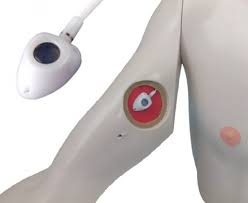
What is an implantable port (Port-a-Cath)?
The chemotherapy port, also called implantable port or Port-a-Cath (PAC), is a small medical device placed entirely under the skin. It is connected to a central vein (often the superior vena cava).
This device allows doctors to administer chemotherapy treatments. It allows the administration of antibiotics or blood transfusions. It allows blood samples to be taken. The implantable port provides reliable, secure and comfortable venous access. It avoids having to prick the arm veins each time.
Why place an implantable port?
Placement of a Port-a-Cath is recommended in several situations. Chemotherapy treatments avoid vein irritation. Prolonged intravenous treatments such as parenteral nutrition are facilitated. Repeated transfusions in chronic patients are simplified. Frequent blood sampling for biological monitoring is possible. The device preserves the venous capital and protects the arm veins.
How is the procedure performed?
Port-a-Cath placement is a minor surgical procedure. It is performed under local or light anesthesia. It lasts about 30 to 45 minutes. A small incision is made below the collarbone. A subcutaneous pocket is created to accommodate the port. The catheter is inserted into a central vein. The port is fixed and the wound is sutured. A control X-ray verifies correct positioning.
What are the advantages of the Port-a-Cath?
The Port-a-Cath offers many advantages. It ensures comfort by avoiding needles in the arms at each session. It is discreet and invisible under clothing. It is reliable for rapid and safe administration of treatments. Its longevity allows it to remain in place for several months, even years. It offers safety by reducing the risks of phlebitis and extravasation.
What are the possible risks or complications?
The risks of Port-a-Cath placement are rare. Infection at the implantation site is rare. Thrombosis can obstruct the catheter. Pneumothorax is rare during venous puncture. Hematoma or bleeding is possible. Improper positioning or migration of the catheter may occur. Our surgical team takes all necessary precautions to minimize these risks.
How are the post-operative consequences?
Post-operative consequences are simple. Minimal local pain is controlled by simple painkillers. Use is possible the next day. The wound is monitored for a week. Resumption of normal activities is allowed except for intense efforts. A follow-up visit checks healing and removes stitches.
How to maintain your Port-a-Cath?
Maintenance of the Port-a-Cath requires monthly flushing by trained personnel. Contact sports and sudden arm movements should be avoided. Signs of infection such as redness, pain or fever should be monitored.
How long can an implantable port remain?
A Port-a-Cath is designed to remain in place for several months, or even years. Its duration depends on its maintenance and the absence of complications. Once treatments are completed, it can be removed. Removal is done during a short procedure under local anesthesia. A small discreet scar remains.
Is placement painful?
The procedure is performed under local anesthesia. You will therefore not feel any pain during placement. Discomfort or mild pain may persist for a few days after the operation. It is easily relieved by paracetamol. Most patients tolerate the device very well and quickly forget about its presence.
What is the price of Port-a-Cath placement in Tunisia?
Tunisia offers very competitive prices for implantable port placement. Simple Port-a-Cath placement costs between €800 and €1,100. Placement with ultrasound guidance costs between €1,000 and €1,300. Placement with interventional radiology ranges from €1,200 to €1,500. A complete package includes consultations, procedure, device and follow-up. These prices are up to 50 to 60% cheaper than in Europe, without compromising quality.
Frequently Asked Questions about Port-a-Cath in Tunisia
1What is the difference between a Port-a-Cath and a PICC-line?
The Port-a-Cath is an implantable port placed entirely under the skin, usually in the chest area. The PICC-line is a catheter inserted into a vein in the arm, with an external visible part. The Port-a-Cath is more discreet and better tolerated for prolonged treatments, while the PICC-line is simpler to place for short-term treatments.
2Can a Port-a-Cath be used for something other than chemotherapy?
Yes, the Port-a-Cath can be used for: prolonged antibiotic administration, parenteral nutrition (intravenous feeding), blood transfusions, blood sampling for analysis, or administration of supportive treatments such as painkillers or anti-nausea medications.
3What is the lifespan of a Port-a-Cath?
A Port-a-Cath can remain in place for several months to several years, depending on maintenance and the absence of complications. Some patients keep their PAC for 2 to 3 years, or even longer. The duration depends on the type of port, the frequency of use and compliance with maintenance protocols.
4Is the Port-a-Cath visible under clothing?
The Port-a-Cath is very discreet. It is placed under the skin, usually in the chest area (below the collarbone). It leaves only a small scar and a slight bulge that is barely noticeable. Most patients quickly forget about its presence.
5What should I do if the Port-a-Cath site becomes red or painful?
If the implantation site becomes red, hot, painful or if you have a fever, consult your doctor immediately. These symptoms may indicate a local infection or catheter complication. Do not attempt to treat these signs yourself.
6Can I take a shower or bath with a Port-a-Cath?
Yes, once healing is complete (usually after a week), you can take showers and baths normally. Since the Port-a-Cath is entirely under the skin, there is no risk of water-related infection. Just make sure to dry the area well after showering.
7What are the signs of a poorly positioned catheter?
Signs of a poorly positioned catheter may include: pain in the neck, ear or shoulder, swelling of the arm or neck, difficulty in infusing the device, or neurological symptoms (dizziness, visual disturbances). A radiological check allows verification of correct positioning.
Why choose Tunisia for your Port-a-Cath placement?
Tunisia has become a preferred medical destination for implantable port placement. It has experienced oncologic surgeons and interventional radiologists. They are trained in the best European centers. The clinics are modern with state-of-the-art equipment. Prices are up to 60% cheaper than in Europe. Care is rapid without long waiting lists. Support is available for foreign patients. It includes transfers and accommodation.
In Conclusion
Implantable port (Port-a-Cath) placement is a simple, safe and extremely beneficial procedure for patients requiring prolonged intravenous treatments. It considerably improves quality of life and protects the venous capital. Tunisie Esthetic offers you quality care, performed by qualified oncologic surgeons and interventional radiologists, at competitive prices. Do not hesitate to contact us for any further information or to organize your procedure.