Cystoscopy
Are you suffering from persistent urinary symptoms and need a precise examination of your bladder? Cystoscopy in Tunisia is an endoscopic examination that allows visualization of the inside of the bladder and urethra to diagnose and treat various urological conditions. Performed by experienced urologists with state-of-the-art equipment.
What is a cystoscopy?
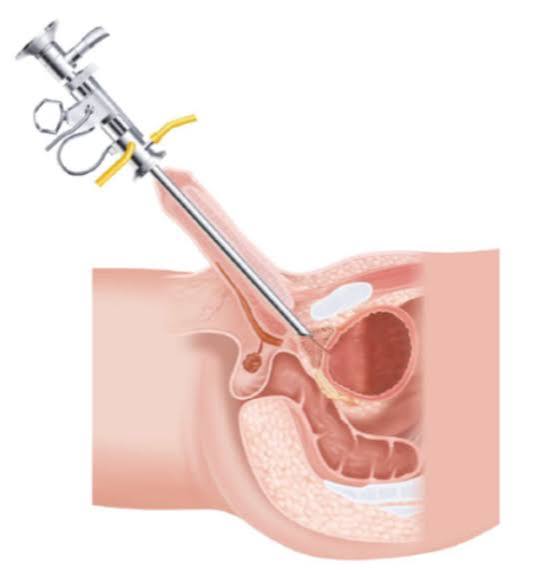 Cystoscopy is an endoscopic examination that allows visualization of the inside of the bladder and urethra using a cystoscope. The cystoscope is a thin, flexible tube (flexible cystoscope) or rigid tube (rigid cystoscope), equipped with a camera and light source.
- Essential examination in urology
- Allows diagnosis and treatment
- Performed on an outpatient basis in most cases
- Duration: 5 to 60 minutes depending on the procedure
When is cystoscopy indicated?
Cystoscopy is indicated in case of hematuria, i.e. blood in the urine. It is also recommended for recurrent or resistant urinary tract infections. Voiding disorders such as frequency or dysuria justify this examination. Suspicion of bladder tumor is a frequent indication. Bladder stones or urethral stricture may also lead to it. Finally, follow-up after bladder cancer treatment requires regular cystoscopy.
What are the different types of cystoscopy?
Diagnostic cystoscopy allows visual exploration with biopsies if necessary. Cystoscopy with resection, or TURBT, is used for removal of bladder or prostate tumor. Cystoscopy with stone fragmentation uses ultrasound or laser. Cystoscopy with dilation treats strictures. Finally, placement of a JJ stent or ureteral stent can be performed.
How is a cystoscopy performed?
The examination begins with preparation with an empty bladder and urine analysis. Anesthesia is local with gel or general depending on the procedure to be performed. The patient is placed in the lithotomy position. The cystoscope is introduced into the urethra. The exploration allows visualization of the urethra, bladder and ureteral orifices. Therapeutic procedures such as biopsies, resection or fragmentation may be performed. The examination lasts 5 to 60 minutes.
Is cystoscopy painful?
Diagnostic cystoscopy is performed under local anesthesia, with a well-tolerated sensation of pressure. Therapeutic cystoscopy is performed under general anesthesia, therefore painless. After the examination, burning during urination and small traces of blood are normal for 24 to 48 hours. Bladder spasms are possible but disappear quickly.
What are the risks and possible complications?
Several complications may occur after a urological examination. Urinary tract infection is prevented by antibiotic prophylaxis. Hematuria is common but transient. Urinary retention is rare. Bladder perforation occurs in less than 0.5% of therapeutic cases. An allergic reaction to the anesthetic is also possible.
How to prepare for a cystoscopy?
Before the examination, a urine analysis is performed to check for the absence of infection. Prophylactic antibiotic therapy is prescribed for at-risk patients. Stopping or adjusting anticoagulants is adapted according to recommendations. Fasting for 6 hours is required in case of general anesthesia. It is important to inform the doctor of your medical history, allergies and current medications.
What to expect after a cystoscopy?
After the examination, it is recommended to drink plenty of water, about 2 liters per day for 48 hours. Avoid intense physical exertion for the next two days. Watch for warning signs such as fever above 38°C, heavy bleeding, severe pain or inability to urinate. Return to work is immediate for a simple cystoscopy, but requires 1 to 3 days for a TURBT. Biopsy results are available in 7 to 10 days.
What is the price of a cystoscopy in Tunisia?
Tunisia offers very competitive rates for urological examinations. A simple diagnostic cystoscopy costs between €150 and €250. With biopsy, the price ranges from €200 to €350. A bladder tumor resection by TURBT is charged between €400 and €700. TURP costs between €500 and €800. Bladder stone fragmentation is offered between €300 and €600. Urethral stricture dilation is available from €250 to €450. These prices include consultation, the endoscopic procedure, anesthesia if necessary, post-procedure monitoring and initial care. They are up to 50 to 70% cheaper than in Europe.
Frequently asked questions about cystoscopy
1Is cystoscopy performed under general or local anesthesia?
Simple diagnostic cystoscopy is performed under local anesthesia (anesthetic gel). Therapeutic cystoscopies (TURBT, stone fragmentation) are performed under general or spinal anesthesia for optimal patient comfort.
2What is the difference between a rigid and a flexible cystoscope?
The rigid cystoscope offers better visualization and allows therapeutic procedures (resection, biopsy). The flexible cystoscope is more comfortable for the patient, used for simple diagnostics and exploration of the upper urinary tract.
3Can cystoscopy be performed in case of urinary infection?
Active urinary infection is a contraindication to cystoscopy. The examination is postponed after antibiotic treatment to avoid the risk of sepsis. Antibiotic prophylaxis is prescribed for at-risk patients.
4Does cystoscopy allow visualization of the kidneys?
No, cystoscopy only explores the urethra, bladder and ureteral orifices. To explore the kidneys and ureters, ureteroscopy or intravenous urography is necessary.
5What foods or drinks should be avoided before a cystoscopy?
It is recommended to avoid carbonated drinks, coffee and tea the day before the examination, as they can irritate the bladder. It is advisable to drink plenty of water to have clear urine on the day of the examination.
6How long does a cystoscopy with tumor resection (TURBT) take?
A TURBT generally lasts 30 to 60 minutes depending on the size and number of tumors. Hospitalization is 24 to 48 hours with bladder drainage (catheter) for 1 to 2 days.
7Can cystoscopy be performed on a pregnant woman?
Cystoscopy is generally not recommended during pregnancy, except in cases of absolute emergency. The risks to the fetus (anesthesia, stress) must be evaluated with the medical team. It is postponed after delivery in most cases.
Why choose Tunisia for a cystoscopy?
Our urologists are experienced and trained in Europe. We use modern equipment with latest-generation flexible and rigid cystoscopes. Our prices are competitive, up to 70% cheaper than in Europe. Care is rapid, with the examination scheduled within 48 hours. Personalized support and quality medical follow-up are also provided.
In conclusion
Cystoscopy is an essential examination in modern urology, allowing both diagnosis and treatment of many bladder and urethral conditions. In Tunisia, Tunisie Esthetic offers you quality care, performed by experienced urologists, with modern equipment and competitive prices. Do not hesitate to contact us for a personalized quote.