Sphincter Botox injection
Do you suffer from achalasia, chronic anal fissure or sphincter hypertonia? Sphincter Botox injections in Tunisia are a mini-invasive technique that temporarily relaxes hypertonic muscles and relieves your symptoms. Performed by experienced interventional gastroenterologists and proctologists, this procedure is offered at attractive prices starting from €300.
What is sphincter Botox injection?
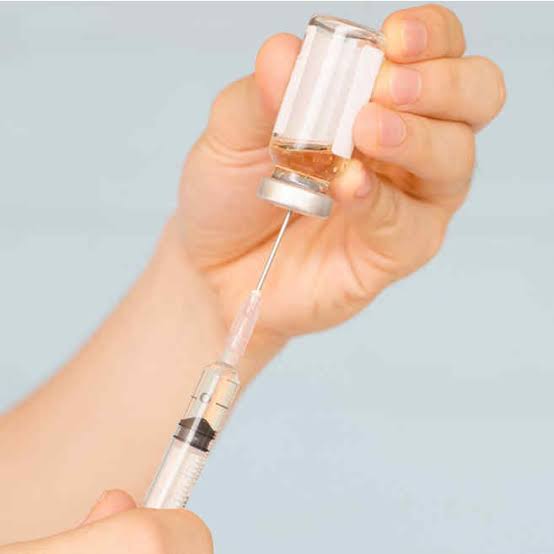 Botulinum toxin (Botox) injection into a sphincter is an interventional medicine technique used to treat certain disorders related to sphincter hypertonia (excessive and abnormal contraction of a sphincter muscle).
Type A botulinum toxin injection is performed directly into the hypertonic sphincter muscle, precisely targeting the area responsible for the functional disorder. This substance blocks acetylcholine release at the neuromuscular junction, causing local paralysis and temporary relaxation of the targeted muscle. The therapeutic effect obtained through this mechanism generally lasts 3 to 6 months, providing prolonged relief before a new injection may be necessary.
What are the main indications?
Botulinum toxin injections into sphincters are indicated in several digestive pathologies. Esophageal achalasia is treated by injection into the lower esophageal sphincter. This approach is particularly useful in elderly patients or those at high surgical risk. Chronic anal fissure benefits from injection into the internal anal sphincter. This procedure reduces spasm and promotes fissure healing. Sphincter of Oddi dysfunction can be relieved by this same technique. The injection also allows predicting response to definitive sphincterotomy. In anal continence disorders, it relaxes a hypertonic sphincter. Finally, research is ongoing on its use in irritable bowel syndrome.
How is the procedure performed?
1. For achalasia (lower esophageal sphincter)
Botulinum toxin injection for achalasia is performed under endoscopy with light sedation. The doctor performs the injection at 4 to 5 different points in the lower esophageal sphincter. The procedure generally lasts between 15 and 20 minutes depending on conditions. The dose used is 50 to 100 units of Botox.
2. For anal fissure (internal anal sphincter)
Botox injection for anal fissure is performed with the patient in gynecological position. The doctor performs the injection under visual control, most often without local or general anesthesia. The procedure lasts between 5 and 10 minutes, with a dose of 20 to 40 units of Botox.
3. For the sphincter of Oddi
Botulinum toxin injection for the sphincter of Oddi is performed by ERCP or echo-endoscopy, depending on the technique chosen by the gastroenterologist. The Botox dose used in this indication is generally between 40 and 80 units.
What are the results?
Botulinum toxin injections into sphincters offer promising results for several digestive pathologies. In achalasia, 60 to 80% of patients notice symptom improvement in 3 to 5 days, with therapeutic effect lasting 3 to 6 months. For chronic anal fissure, healing occurs in 60 to 80% of patients, with rapid pain relief in 48 to 72 hours. Finally, for the sphincter of Oddi, 50 to 70% of patients experience significant relief, with the injection having both diagnostic and therapeutic value.
Is the injection painful?
Functional Botox injections are generally well tolerated and adapted to each indication. For achalasia, the procedure is performed under sedation, making it completely painless for the patient. In case of anal fissure, mild and brief discomfort may be felt, but local anesthesia is possible to improve comfort. For the sphincter of Oddi, the injection is performed under deep sedation, also guaranteeing absence of pain. After the injection, it is common to feel a simple sensation of local pressure, which may persist a few hours, but without real functional discomfort.
What are the possible risks and complications?
Injection risks are rare and generally manifest as transient effects. Mild to moderate post-injection pain is the most frequent. Minimal bleeding at the injection site is rare and harmless. Fecal incontinence after anal injection affects less than 5% of patients, but remains temporary. Esophageal perforation is exceptional, occurring in less than 0.5% of cases. Local edema or hematoma resolves spontaneously without intervention. Allergic reactions are very rare, as are systemic effects such as generalized muscle weakness.
What are the contraindications?
Contraindications to botulinum toxin injection are rigorous and must be respected. First, known allergy to botulinum toxin or albumin is an absolute contraindication. Second, any local active infection at the injection site prevents the procedure. Third, pregnancy and breastfeeding impose not performing these injections as a precaution. Fourth, neuromuscular disorders such as myasthenia also constitute a contraindication. Fifth, taking oral anticoagulants requires prior medication interruption. Finally, severe hemostasis disorders formally contraindicate this procedure.
What precautions should be taken after the injection?
Post-procedure recommendations vary according to the pathology treated. For achalasia, a liquid then semi-liquid diet is advised for 24 to 48 hours, avoiding very hot foods. In case of anal fissure, warm sitz baths two to three times a day are recommended. It is important to increase fiber intake and avoid straining during defecation to promote healing. After the procedure, watch for warning signs such as fever, intense pain or heavy bleeding. Intense physical exertion should be avoided for 48 hours after the injection. A control consultation is scheduled at one month to evaluate treatment effectiveness.
What is the price of sphincter Botox injections in Tunisia?
Tunisia offers very competitive prices for functional botulinum toxin injections. A Botox injection for lower esophageal sphincter achalasia costs between 500 and 800 euros. For an anal fissure, the price is between 300 and 500 euros. Injection into the sphincter of Oddi, performed under ERCP, is charged between 600 and 900 euros. A complete package including consultation, injection and control is offered from 400 to 1,000 euros depending on the indication. These prices include specialized consultation, the product, the procedure under endoscopy or ultrasound, and post-procedure monitoring. They are up to 50 to 70% cheaper than in Europe.
Frequently asked questions about sphincter Botox
1What is the difference between Botox injection and surgical sphincterotomy?
Botox is a mini‑invasive, temporary and reversible technique, performed endoscopically or on an outpatient basis. Sphincterotomy is a definitive surgical procedure, more invasive, reserved for Botox failures or young healthy patients.
2Can sphincter Botox be performed on an outpatient basis?
Yes, for anal fissure and achalasia, the injection is often performed on an outpatient basis. The patient goes home a few hours after the procedure, after brief monitoring.
3What are the signs that Botox has stopped working?
The gradual reappearance of initial symptoms (pain, difficulty swallowing, spasms) signals the end of Botox's effect. This generally occurs between 3 and 6 months after the injection.
4Are there late side effects after the injection?
No, side effects are early and transient (local pain, edema, hematoma). No late side effects have been reported, as Botox is metabolized by the body.
5Is sphincter Botox offered to diabetic patients?
Yes, provided that diabetes is controlled and there is no severe autonomic neuropathy. A pre-operative assessment is necessary to avoid infectious complications.
6How long after injection can I resume a normal diet (achalasia)?
For achalasia, a liquid diet is advised for 24 to 48 hours. Then, you can move to a semi‑liquid diet before resuming solid food around the 4th‑5th day.
7Can Botox be combined with pneumatic dilation or myotomy?
Yes, in some cases, Botox is used as a diagnostic test before pneumatic dilation or as an adjunct treatment after incomplete myotomy. It can also precede definitive surgery.
Why choose Tunisia for sphincter Botox injections?
Our clinic brings together experienced gastroenterologists, trained in Europe, and modern high-definition equipment. We offer very competitive prices, up to 70% cheaper, with rapid care within 1 to 2 weeks. Finally, we use certified products and ensure personalized support for international patients.
In conclusion
Sphincter Botox injections are an effective, mini-invasive and reversible technique for treating sphincter hypertonia (achalasia, anal fissure, sphincter of Oddi dysfunction). In Tunisia, Tunisie Esthetic offers you quality care, performed by experienced interventional gastroenterologists and proctologists, with modern equipment and competitive prices. Do not hesitate to contact us to discuss your situation and obtain a personalized quote.