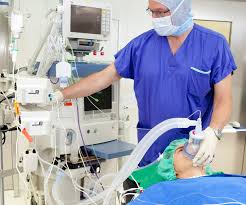
Intensive Care
What is Intensive Care (Critical Care Medicine)?
Intensive care (or critical care medicine) is a medical specialty that manages patients with one or more acute organ failures that are life-threatening. These patients require continuous monitoring 24 hours a day, invasive monitoring, and organ support techniques (mechanical ventilation, vasopressors, renal replacement therapy, circulatory support).
Intensive care differs from intermediate care (high dependency units) by:
- Patient severity: multiorgan failure (≥ 2 organs), need for invasive mechanical ventilation, high-dose vasopressors.
- Care intensity: nursing staff (intensivist, nurse) dedicated to a maximum of 1-4 patients.
- Invasive techniques: intubation, central and arterial catheters, continuous dialysis, ECMO.
In Tunisia, intensive care units (ICUs) are present in university hospitals (CHUs) and some highly specialized private clinics, with teams trained according to the recommendations of the Société de Réanimation de Langue Française (SRLF) and the European Society of Intensive Care Medicine (ESICM).
Which Patients are Admitted to Intensive Care?
Reasons for ICU admission are numerous and cover all medical and surgical specialties:
Severe Respiratory Failure
- Acute Respiratory Distress Syndrome (ARDS) – PaO2/FiO2 < 200
- Severe hypoxemic pneumonia (COVID-19, influenza, bacterial)
- Massive pulmonary embolism with hemodynamic impact
- COPD exacerbation with respiratory acidosis (pH < 7.35) and hypercapnia (PaCO2 > 45 mmHg)
- Severe acute asthma (status asthmaticus) resistant to bronchodilators
- Cardiogenic pulmonary edema (CPE) refractory to diuretics
Circulatory Failure (Shock States)
- Septic shock: severe infection with hypotension (MAP < 65 mmHg) despite fluid resuscitation, lactate > 2 mmol/L, need for norepinephrine.
- Cardiogenic shock: extensive myocardial infarction, fulminant myocarditis, cardiomyopathy, end-stage heart failure.
- Hemorrhagic shock: gastrointestinal bleeding, aneurysm rupture, trauma, postpartum.
- Obstructive shock: massive pulmonary embolism, cardiac tamponade, tension pneumothorax.
- Anaphylactic shock: severe allergic reaction (drugs, food, venom).
Severe Neurological Failure
- Severe traumatic brain injury (Glasgow Coma Scale ≤ 8)
- Massive ischemic or hemorrhagic stroke (CVA)
- Acute purulent bacterial meningitis
- Viral encephalitis (herpes, arboviruses)
- Status epilepticus (convulsive or non-convulsive)
- Toxic or metabolic coma (drugs, alcohol, hypoglycemia, ketoacidosis)
- Subarachnoid hemorrhage (aneurysm rupture)
Severe Renal and Metabolic Failure
- Anuric or oliguric acute kidney injury (AKI) (< 0.3 mL/kg/h)
- Severe hyperkalemia (> 6.5-7 mmol/L) with ECG signs
- Severe metabolic acidosis (pH < 7.20, bicarbonate < 10 mmol/L)
- Diabetic ketoacidosis or hyperosmolar coma
- Acute adrenal insufficiency (Addisonian crisis)
- Thyroid storm
Post-Operative Care and Trauma
- Post-operative cardiac surgery (coronary bypass, valve, transplant)
- Post-operative neurosurgery (brain tumor, hematoma, aneurysm)
- Post-operative major digestive surgery (duodenopancreatectomy, liver transplant)
- Polytrauma (Injury Severity Score - ISS > 15)
- Extensive burns (> 20% of body surface area in adults)
Sepsis and Severe Infections
- Severe sepsis (organ dysfunction related to infection)
- Septic shock (need for vasopressors)
- Complicated infective endocarditis
- Necrotizing fasciitis (Fournier's gangrene, streptococcal fasciitis)
- Post-surgical mediastinitis
Other Serious Pathologies
- Necrotizing acute pancreatitis with organ failure
- Severe poisonings (barbiturates, cyanide, paraquat, opioids, methanol)
- Hemolytic uremic syndrome (HUS)
- Disseminated intravascular coagulation (DIC)
- Lyell's syndrome (toxic epidermal necrolysis) or Stevens-Johnson syndrome
How is Intensive Care Managed in Tunisia?
Management is highly structured, protocolized, and based on a 24/7 multidisciplinary team.
Monitoring and Continuous Surveillance
- Cardiac monitor (5-lead): heart rate, rhythm, arrhythmias (atrial fibrillation, ventricular tachycardia).
- Pulse oximetry (SpO2): oxygen saturation (target 90-95% or ≥ 92% depending on pathology).
- Invasive arterial pressure (radial or femoral arterial catheter): continuous measurement of mean arterial pressure (MAP), target ≥ 65 mmHg. Allows repeated blood gas sampling.
- Central venous pressure (CVP) (central venous catheter): estimation of blood volume (preload), monitoring of fluid responsiveness.
- Hourly diuresis: urinary catheter with graduated collector (target ≥ 0.5 mL/kg/h).
- Core temperature: esophageal, bladder, or tympanic probe.
- Advanced monitoring (as indicated):
- Pulmonary artery catheter (Swan-Ganz): cardiac output, pulmonary pressures, vascular resistances, central venous oxygen saturation (SvO2).
- PiCCO (pulse contour analysis): continuous cardiac output, intrathoracic volumes (ITBV, GEDV), extravascular lung water (EVLW), pulse pressure variation (PPV).
- Echocardiography (transesophageal or transthoracic): ventricular function, causes of shock (tamponade, pulmonary embolism, valve disease).
- Intracranial pressure (ICP) (intraparenchymal or intraventricular transducer): severe traumatic brain injury, subarachnoid hemorrhage.
- Continuous EEG: non-convulsive status epilepticus, post-anoxic coma.
Ventilatory Support (Respiratory Failure)
- Simple oxygen therapy (nasal cannula, mask): for moderate needs (SpO2 > 92% with FiO2 < 40%).
- High-flow nasal oxygen (Optiflow): flow 30-60 L/min, FiO2 21-100%, humidified and heated. Indications: moderate hypoxemia (PaO2/FiO2 200-300), post-extubation.
- Non-Invasive Ventilation (NIV): nasal or facial mask. Indications: COPD exacerbation (pH 7.25-7.35), cardiogenic pulmonary edema, immunocompromised patients, weaning, severe sleep apnea.
- Invasive mechanical ventilation (endotracheal intubation): tracheal tube or tracheostomy tube. Modes:
- VC (Volume Control): fixed tidal volume (4-8 mL/kg), used in acute phase (shock, ARDS, coma).
- PC (Pressure Control): fixed inspiratory pressure, better tolerated if leaks (COPD, asthma).
- SIMV (Synchronized Intermittent Mandatory Ventilation): synchronized mandatory cycles + spontaneous cycles, used during weaning.
- PSV (Pressure Support Ventilation): inspiratory assistance on spontaneous cycles, used during weaning.
- APRV (Airway Pressure Release Ventilation): mode for severe ARDS.
- Lung protection (ARDS): low tidal volume (4-6 mL/kg), high PEEP (5-15 cmH2O), plateau pressure < 30 cmH2O, driving pressure < 15 cmH2O, prone positioning (16h/day) if PaO2/FiO2 < 150.
- Venovenous ECMO (VV ECMO): extracorporeal membrane oxygenation for refractory ARDS (PaO2/FiO2 < 80 despite optimal ventilation).
Circulatory Support (Shock)
- Fluid resuscitation (hemodynamic optimization): crystalloids (0.9% NaCl or Ringer's Lactate) 30 mL/kg over 3-6 hours, reassessment by echocardiography (respiratory variability of the inferior vena cava, aortic VTI) or hemodynamic monitoring (PPV, SVV).
- Vasopressors (norepinephrine - 1st line): target MAP ≥ 65 mmHg. Initial dose 0.05-0.1 µg/kg/min, titrate up to 0.5-1 µg/kg/min. If high doses (> 0.5-1 µg/kg/min) and resistance: consider adding vasopressin (0.03-0.04 IU/min) or epinephrine (0.05-0.2 µg/kg/min).
- Inotropes (dobutamine): if cardiogenic shock (low cardiac output, signs of hypoperfusion despite MAP > 65 mmHg). Dosage: 2.5-20 µg/kg/min.
- Mechanical circulatory support:
- Venoarterial ECMO (VA ECMO): for cardiogenic shock refractory to inotropes and vasopressors (post-AMI, myocarditis, graft, drug poisoning).
- Intra-aortic balloon pump (IABP): for post-infarct cardiogenic shock (2024 guidelines less recommended as first-line, reserved for certain cases).
- Ventricular assist device (VAD) (Impella, CentriMag): for end-stage heart failure (bridge to transplant or recovery).
Renal Replacement Therapy (Acute Kidney Injury - AKI)
- Continuous hemofiltration (CVVHDF - Continuous Veno-Venous Hemodiafiltration): preferred dialysis technique in intensive care (excellent hemodynamic tolerance). Target dose: 25-35 mL/kg/h. Indications: anuric AKI (diuresis < 0.3 mL/kg/h for > 6h, or < 0.5 mL/kg/h > 12h), refractory hyperkalemia > 6-6.5 mmol/L, metabolic acidosis pH < 7.2, fluid overload with pulmonary edema refractory to diuretics, urea > 30-40 mmol/L, dialyzable intoxication (lithium, methanol, ethylene glycol).
- Intermittent hemodialysis (IHD): for hemodynamically stable patients (IHD 3-4h/day).
- Peritoneal dialysis: sometimes used in children, in case of contraindication to central venous access, or in some centers.
Sedation and Analgesia (Ventilated Patients or Severe Agitation)
- Daily assessment (light sedation target): RASS (Richmond Agitation-Sedation Scale) 0 (calm, awake) to -2 (arousable, eye contact) for stable patients. RASS -3 to -5 for severe ARDS, severe intracranial hypertension (ICH), refractory shock.
- Sedatives: propofol (1-3 mg/kg/h) (rapid metabolism, ideal for weaning), midazolam (0.05-0.2 mg/kg/h) (caution accumulation, delirium), dexmedetomidine (0.2-0.7 µg/kg/h) (sedation with possible arousal, reduces delirium).
- Analgesics: fentanyl (0.5-2 µg/kg/h) (potent, short-acting), morphine (0.5-2 mg/h), sufentanil (0.1-0.5 µg/kg/h), nefopam (20 mg x 4), IV paracetamol (1g x 4).
- Neuromuscular blockers (paralytics): atracurium (0.3-0.6 mg/kg/h), cisatracurium (1-2 µg/kg/min). Limited indications: severe ARDS (PaO2/FiO2 < 120-150), refractory IHC (ICP peaks despite treatment), compartment syndrome, refractory shock (reducing oxygen consumption).
- Delirium prevention and treatment: discontinue benzodiazepines (except alcohol withdrawal), spatial-temporal reorientation, light therapy (day/night cycle), early mobilization, dexmedetomidine, antipsychotics (haloperidol, quetiapine) if severe agitation.
Artificial Nutrition
- Preferential enteral nutrition (within 24-48h): nasogastric or nasojejunal tube (if gastric intolerance), continuous infusion. Target: 20-25 kcal/kg/day (up to 30 kcal/kg/day during recovery). Protein intake: 1.2-2 g/kg/day. Contraindications: intestinal obstruction, severe ileus, active GI bleeding, refractory shock without hemodynamic resuscitation.
- Parenteral nutrition (intravenous): in case of severe digestive intolerance (prolonged ileus > 5-7 days, obstruction, necrotizing acute pancreatitis, short bowel syndrome).
- Systematic supplementation: vitamins (B1, B6, B12, C, D), trace elements (zinc, selenium, copper).
Supportive Care and Complication Prevention
- Pressure ulcer prevention (decubitus ulcers): alternating pressure mattresses, position changes every 2 hours, protection of pressure points (heels, sacrum, occiput, elbows).
- Deep vein thrombosis (DVT) and pulmonary embolism prevention: low molecular weight heparins (LMWH) (enoxaparin 40 mg/day or tinzaparin 3500-4500 IU/day unless contraindicated: active bleeding, high bleeding risk, thrombocytopenia), elastic compression stockings, intermittent pneumatic compression (IPC).
- Stress ulcer prophylaxis (gastric stress): proton pump inhibitors (PPIs) (esomeprazole 40 mg/day, pantoprazole 40 mg/day) if ventilated patient, coagulopathy, corticosteroid therapy, extensive burns, severe shock, or severe stress.
- Prevention of nosocomial infections (VAP, bacteremia, UTI): hand hygiene (alcohol-based hand rub before/after each care), oral care (brushing, antiseptic), sterile tracheal suction (closed circuit if contagious patient), ventilator circuit changes (7-day protocol unless soiled), early catheter removal (central venous, arterial, urinary catheter), antibiotic de-escalation (adapted duration, reduced spectrum), isolation if proven Multi-Drug Resistant Organisms (MDRO) (contact, airborne depending on pathogen).
- Strict glycemic control: target blood glucose 6-10 mmol/L. IV insulin (actrapid) if blood glucose > 10 mmol/L. Hourly monitoring (finger prick) then spaced. Avoid hypoglycemia (< 4 mmol/L) – dangerous in neurological patients (worsening brain injury).
- Delirium prevention (non-pharmacological): spatial-temporal reorientation (show time, date, place, people), light therapy (respect day/night cycle: light during the day, darkness at night), naps, early mobilization protocol (physiotherapy, sitting up), avoid benzodiazepines (except alcohol withdrawal or chronic alcoholism).
- Early respiratory and physical therapy: bronchial clearance (clapping, vibration, suction), in-bed mobilization (passive then active), sitting up in a chair (if possible from day 3-5), early gait training (early rehabilitation reduces ICUAW and length of stay).
- Pain screening and treatment: behavioral scale if non-communicative patient (BPS, ESCARR). Systematic analgesics (paracetamol, nefopam, morphine, fentanyl).
Ventilator Weaning and Extubation
- Weaning conditions: improvement of the cause of intubation, awake patient (RASS 0 to -2) or sedation weaning possible, stable hemodynamics (MAP ≥ 65 mmHg without vasopressor or low doses), PaO2/FiO2 > 200, FiO2 ≤ 40-50%, PEEP ≤ 5-8 cmH2O, effective cough reflex, absence of severe swallowing disorder.
- Spontaneous breathing trial (SBT): disconnection from the ventilator, patient breathing through the endotracheal tube (T-tube) or low PSV (5-7 cmH2O, PEEP 0-5) for 30 to 120 minutes. Success criteria: RR 12-30/min, VT > 4-5 mL/kg, SpO2 ≥ 90%, RR/VT < 105, MAP > 65 mmHg, HR < 140/min, no signs of distress (sweating, agitation, desaturation).
- Extubation: removal of the endotracheal tube after successful SBT. Post-extubation: oxygen therapy (nasal cannula, mask, Optiflow), NIV if high risk of failure (COPD, obesity, heart failure).
- Tracheostomy: if difficult weaning (> 7-14 days of ventilation, multiple SBT failures, persistent secretions). Percutaneous (Ciaglia) or surgical technique. Facilitates weaning, reduces infections, improves comfort and rehabilitation.
What are the Risks and Complications of Intensive Care?
ICU patients are exposed to many iatrogenic and non-iatrogenic complications:
- Nosocomial infections:
- Ventilator-associated pneumonia (VAP): 10-30% of patients ventilated > 48h. Prevention: subglottic suctioning endotracheal tube, closed circuit, oral care, semi-recumbent position (30-45°).
- Central line-associated bloodstream infection (CLABSI): 1-5%. Prevention: surgical asepsis for insertion, transparent dressing, removal as soon as possible.
- Catheter-associated urinary tract infection (CAUTI): 10-30%. Prevention: early removal (< 5-7 days if possible).
- Sinusitis: < 5% (especially if nasogastric and nasotracheal tubes).
- Barotrauma (invasive mechanical ventilation): pneumothorax (3-10%), pneumomediastinum, subcutaneous emphysema (especially if high PEEP, high peak pressure).
- Tracheal injuries (post-intubation): tracheal stenosis (1-3% after prolonged intubation > 7-10 days), granuloma (5-10%), laryngitis, ulceration, recurrent laryngeal nerve palsy (1-2%).
- Intensive Care Unit-Acquired Weakness (ICUAW): 30-50% of patients with stay > 7 days. Risk factors: corticosteroids, neuromuscular blockers, sepsis, hyperglycemia, duration of ventilation. Consequences: delayed weaning, prolonged hospital stay, functional disability at 1 year.
- Delirium (acute confusional state): 30-50% of patients (agitation, hallucinations, disorientation, reversed day/night cycle). Factors: sedation (benzodiazepines), alcohol withdrawal, infection, metabolic, hypoxia, immobilization. Increases ventilation duration, mortality, risk of cognitive decline.
- Pressure ulcers (decubitus ulcers): 10-30% of stays > 5 days. Locations: heels (40%), sacrum (30%), occiput (10%), elbows (5%). Prevention: mattress, positioning, protection.
- Deep vein thrombosis (DVT) and pulmonary embolism (PE): 5-20% without prophylaxis. Prevention: LMWH (unless contraindicated), compression stockings, IPC.
- Iatrogenic hemorrhages: arterial puncture (hematoma, pseudoaneurysm 1-2%), central venous catheter insertion (hemothorax, pneumothorax 1-3%), anticoagulants, thrombolysis (intracranial hemorrhage 1-2%).
- Post-traumatic stress disorder (PTSD): 30-50% of ICU survivors. Factors: delirium, hallucinations, sedation weaning, helplessness, pain. Symptoms: flashbacks, nightmares, hypervigilance, avoidance, anxiety.
- Depression, anxiety, cognitive disorders (Post-Intensive Care Syndrome - PICS): very common (50-80% of survivors). Memory, attention, and executive function disorders. Long-term quality of life impairment.
- Ventilator dependence (difficult weaning): 5-20% of patients ventilated > 7 days. Indication for tracheostomy.
Prognosis for Intensive Care Patients
Prognosis depends on the underlying pathology, severity at admission (assessed by prognostic scores), age, comorbidities, and quality of care. In Tunisia, adjusted mortality scores are comparable to European averages in expert centers.
- IGS II (Simplified Acute Physiology Score) and SAPS II: predicted mortality based on age, comorbidities, physiological parameters (temperature, HR, RR, BP, diuresis, blood glucose, potassium, sodium, bicarbonate, urea, leukocytes, GCS). IGS II > 40: mortality 30-40%; IGS II > 60: mortality > 60%.
- APACHE II (Acute Physiology and Chronic Health Evaluation): 12 physiological parameters + age + comorbidities (0-71 points). APACHE II > 25: mortality 40-50%; APACHE II > 35: mortality > 70%.
Mortality by Pathology (International data, applicable to Tunisia)
- ST-segment elevation myocardial infarction (STEMI) with primary angioplasty: 3-8%
- Myocardial infarction complicated by cardiogenic shock: 40-50%
- In-hospital cardiac arrest: 50-80%
- Out-of-hospital cardiac arrest: 90-95% (but 8-12% survival to discharge)
- Severe ARDS (PaO2/FiO2 < 100): 40-60%
- Severe sepsis (without shock): 20-30%
- Septic shock (with vasopressors): 40-60%
- Polytrauma (Injury Severity Score - ISS > 25): 10-20% (expert centers)
- Severe traumatic brain injury (Glasgow ≤ 8): 30-40%
- Subarachnoid hemorrhage (Hunt and Hess grade IV-V): 50-70%
- Massive ischemic stroke (Stroke Unit management): 10-20%
- Massive hemorrhagic stroke: 30-50%
- Necrotizing acute pancreatitis (with organ failure): 20-30%
- Acute liver failure (fulminant hepatitis): 40-60% (improved with transplantation)
- Burns > 40% of body surface area (adult): 20-40% (specialized centers)
What to Do After an Intensive Care Stay? (Post-Intensive Care Syndrome - PICS)
Discharge from intensive care (duration from a few days to several months) is not the end of care. The majority of survivors have a post-intensive care syndrome (PICS) requiring prolonged multidisciplinary management.
Motor Rehabilitation
- Intensive physical therapy: restoration of muscle strength (acquired weakness), gait retraining, balance, fall prevention. Duration: several weeks to months.
- Occupational therapy: relearning activities of daily living (dressing, washing, eating), home adaptation (wheelchair, medical bed, grab bars, ramps), assistive devices (walker, cane).
Cognitive and Neuropsychological Rehabilitation
- Speech therapy: cognitive rehabilitation (memory, attention, executive functions, language), swallowing rehabilitation (risk of aspiration post-intubation, post-tracheostomy).
- Neuropsychology: neuropsychological assessment, cognitive rehabilitation, assistance with returning to professional and social activities.
Psychological and Psychiatric Rehabilitation
- Psychologist / Psychiatrist: management of post-traumatic stress disorder (PTSD), generalized anxiety, depression, behavioral disorders (agitation, apathy), residual hallucinations (post-delirium).
- Therapies: CBT (cognitive behavioral therapy), EMDR (Eye Movement Desensitization and Reprocessing) for PTSD, pharmacotherapy (SSRIs, anxiolytics, antipsychotics).
- Support groups (former ICU patients).
Specialized Post-Intensive Care Follow-up
- Post-ICU consultation (at 1, 3, 6, 12 months): reassessment of sequelae (physical, cognitive, psychological), coordination of care (primary care physician, specialists, rehabilitation).
- Cardiology follow-up: echocardiography, Holter ECG (arrhythmias), stress test, cardiac MRI (myocarditis, post-MI sequelae).
- Pulmonology follow-up: PFTs (ARDS sequelae, pulmonary fibrosis), chest CT, long-term oxygen therapy if residual hypoxemia, smoking cessation.
- Neurology follow-up: brain MRI (anoxic sequelae, stroke, TBI), EEG (post-anoxic epilepsy), neurostimulation, botulinum toxin (spasticity).
- Nephrology follow-up: renal function (creatinine, GFR) – risk of chronic kidney disease post-AKI (30-50% of severe AKI).
Social Support and Return to Work
- Social worker: assistance with returning to work (job accommodation, therapeutic part-time), disability recognition (disability card), financial aid, orientation to rehabilitation facilities, placement in specialized institutions (nursing homes) if severe dependency.
Why Choose Tunisia for Intensive Care Management?
Tunisia has high-level intensivists (critical care physicians), trained in the best European centers. Intensive care units (ICUs) in university hospitals and private clinics are modern and adhere to international standards.
Strengths of Tunisian Intensive Care Services
- Systematic invasive monitoring: arterial and central venous catheters, PiCCO, Swan-Ganz, ICP, continuous EEG.
- Latest generation ventilators: Dräger, Hamilton, Maquet, GE, with advanced modes (APRV, NAVA).
- Continuous hemofiltration (CVVHDF) machines: Prismaflex (Baxter), MultiFiltrate (Fresenius), equipped with monitoring software.
- High-resolution ultrasound machines: echocardiography (transthoracic and transesophageal), lung, vascular, FAST ultrasound, Doppler.
- ECMO capability (venovenous and venoarterial) available in university hospitals (Rabiâ, La Rabta, Sahloul, Fattouma Bourguiba, Hédi Chaker).
- 24/7 medical, surgical, neurosurgical, cardiac, pediatric, and neonatal intensive care available.
- Compliance with international guidelines (SRLF, ESICM, Surviving Sepsis Campaign, ERC, ATLS, KDIGO).
- Nurse-to-patient ratio compliant: 1 nurse for 2-3 patients (sometimes 1:1 for ECMO, CVVHDF, severe instability, refractory shock).
- Intensivists present 24/7 (on-site shifts).
Practical Advantages
- All-inclusive packages: some private clinics offer packages for ICU stays including hospitalization, invasive monitoring, mechanical ventilation, sedation, vasopressors, hemofiltration (if necessary), enteral nutrition, daily laboratory tests, imaging (ultrasound, X-ray, CT scan).
- Management of foreign patients: simplified administrative procedures (no compulsory health visa for short stays), coordination with international insurance companies (quotation, direct billing possible), multilingual reception (French, English, Arabic, Italian).
- Medical tourism: Tunisia is a recognized destination for medical tourism (intensive care, cardiac surgery, neurosurgery, oncology, transplantation) with quality standards comparable to Europe at costs reduced by 60-80%.
- Geographical proximity: short flights from Europe (2-3 hours from Paris, Rome, Brussels, Geneva, London), similar time zone (UTC+1).
Quality Indicators of Tunisian Intensive Care Services
- Standardized mortality ratio (SMR): comparable to European averages (0.8-1.2) in university hospitals and accredited private clinics.
- Ventilator-associated pneumonia (VAP) incidence: 10-20% (target < 15-20%).
- Central line-associated bloodstream infection (CLABSI) incidence: 2-5 per 1000 catheter-days (target < 3-5).
- Median duration of mechanical ventilation: 5-10 days (depends on pathology).
- 48-hour ICU readmission rate: < 5-10%.
- First-attempt successful extubation rate: > 80-90% (excluding difficult weaning).