Cancer Surgery (Oncological)
Have you or a loved one received a cancer diagnosis and are looking for quality surgical care? Cancer surgery in Tunisia is a surgical specialty dedicated to the treatment of cancerous tumors, performed by experienced oncological surgeons. With attractive prices starting from €2000, benefit from complete tumor removal (R0) according to international standards.
What is cancer surgery?
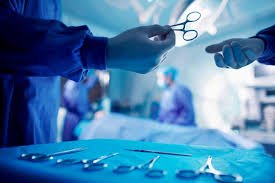 Cancer surgery (or oncological surgery) is a surgical discipline dedicated to the treatment of cancerous tumors. Its main objective is the complete removal of the tumor (R0 resection) while preserving healthy organs and vital functions as much as possible.
- Part of a multidisciplinary approach
- Collaboration with medical oncologists, radiotherapists, pathologists
- Minimally invasive techniques: laparoscopy and robotics
When is cancer surgery indicated?
Cancer surgery can be offered at different stages of cancer treatment. Curative surgery aims to completely remove a localized tumor. Neoadjuvant surgery is performed after initial treatment to reduce tumor size. Adjuvant surgery removes tumor residues after primary treatment. Cytoreductive surgery reduces tumor mass in advanced cases. Finally, palliative surgery relieves symptoms such as obstruction or pain.
What are the different types of cancer surgery?
Cancer surgery covers many specialized fields depending on the affected organ. It includes breast surgery, such as lumpectomy or mastectomy. Digestive surgery treats cancers of the colon, pancreas, liver or stomach. Gynecological surgery deals with ovarian, uterine or cervical cancers. Urological surgery manages kidney, prostate or bladder cancers. ENT surgery concerns the mouth, larynx or pharynx. Thoracic surgery targets the lung or mediastinum. Finally, skin surgery excises melanomas and carcinomas.
How does surgical management proceed?
Surgical management of cancer follows a rigorous protocol in several stages. A pre-operative consultation evaluates the patient through imaging and blood tests. Preparation for surgery includes nutritional optimization and stopping anticoagulants. The procedure is performed under general anesthesia. Pathological analysis confirms the nature, grade and extent of the tumor. Finally, post-operative follow-up monitors complications and adjuvant treatments.
What are the advantages of cancer surgery in Tunisia?
Tunisia is a destination of choice for cancer surgery. Surgeons are highly qualified and trained in Europe. Technical platforms are modern, including laparoscopy. Prices are competitive, up to 70% cheaper. Care is multidisciplinary, with regular meetings. Finally, personalized support is offered, including transfers and accommodation.
What are the possible risks and complications?
Like any major procedure, cancer surgery carries risks, although rare with modern techniques. Anesthetic complications are exceptional thanks to rigorous monitoring. Hemorrhage may occur during or after surgery, sometimes requiring transfusion. Surgical site infection is prevented by systematic antibiotic prophylaxis. Fistulas, abscesses or healing delays are possible. Nerve damage with functional sequelae remains rare. Finally, local or metastatic recurrence may occur despite complete resection.
How do post-operative effects proceed?
Post-operative effects vary depending on the type of surgery performed. Hospitalization can last from a few days to several weeks. Pain is managed with appropriate painkillers. Early rehabilitation includes early mobilization and physiotherapy. Drains and scars are monitored. Consultations are scheduled at 1, 3 and 6 months, then annually. Finally, adjuvant treatments begin 4 to 6 weeks after surgery.
What is the price of cancer surgery in Tunisia?
The cost of oncological surgery in Tunisia is very competitive compared to Western countries, with indicative prices varying according to the type of procedure: breast surgery costs between 2,500 and 4,500 euros, digestive oncological surgery between 4,000 and 7,000 euros, urological surgery between 3,500 and 6,500 euros, and gynecological surgery between 3,000 and 5,500 euros, while complex cancer surgery can reach 8,000 euros. These prices generally include surgical fees, operating room use and hospitalization, with the possibility of a personalized quote after review of the medical file.
Frequently asked questions about cancer surgery
1What is the difference between cancer surgery and oncological surgery?
The terms are synonymous. Cancer surgery (or oncological surgery) is a surgical discipline dedicated to the treatment of cancerous tumors, aiming for complete tumor removal while preserving vital functions.
2Is cancer surgery painful?
The procedure is performed under general anesthesia, so it is painless during the operation. After surgery, moderate pain is controlled with appropriate painkillers (PCA, oral morphine) prescribed by the surgeon.
3How long is hospitalization after cancer surgery?
Hospitalization duration varies depending on the type of surgery: a few days for breast surgery, 1 to 2 weeks for digestive or urological surgery, and up to 3 weeks for complex surgery.
4Is cancer surgery compatible with pregnancy?
Cancer surgery is generally not recommended during pregnancy, especially in the first trimester, due to risks to the fetus (anesthesia, surgical stress). Treatment is generally postponed until after delivery.
5Can cancer surgery be combined with radiotherapy?
Yes, cancer surgery is often combined with radiotherapy, before or after surgery. The sequence is decided in multidisciplinary meetings to optimize chances of cure.
6What are the risks of recurrence after cancer surgery?
The risk of recurrence depends on the type of cancer, its stage and the quality of resection. Complete cancer surgery (R0) significantly reduces this risk. Regular follow-up is essential.
7Can foreigners benefit from cancer surgery in Tunisia?
Yes, Tunisia welcomes many international patients. Our team assists you with administrative procedures, accommodation, transport and interpreters. A personalized quote is established before the procedure.
Why choose Tunisia for cancer surgery?
Tunisia is a medical destination of choice for cancer patients. It offers reduced waiting times, with surgery scheduled in less than three weeks. Care is of international quality thanks to surgeons trained in France and Switzerland. Savings are substantial, even including travel and accommodation costs. The destination is close and pleasant, with regular flights from Europe. The favorable climate aids convalescence. Finally, personalized support is offered for administrative, logistics and interpreting needs.
In conclusion
Cancer surgery represents an essential pillar in cancer management. In Tunisia, Tunisie Esthetic offers you the expertise of experienced oncological surgeons, modern equipment and competitive prices. Multidisciplinary care, minimally invasive techniques and personalized support give you the best chances of recovery in the best conditions. Do not hesitate to contact us to discuss your situation and obtain a personalized quote.