Laser ureteroscopy
Do you suffer from kidney or ureteral stones? Laser ureteroscopy in Tunisia is a minimally invasive technique that allows fragmentation and elimination of stones to effectively relieve renal colic. Performed by experienced urologists, it offers high success rates at attractive prices.
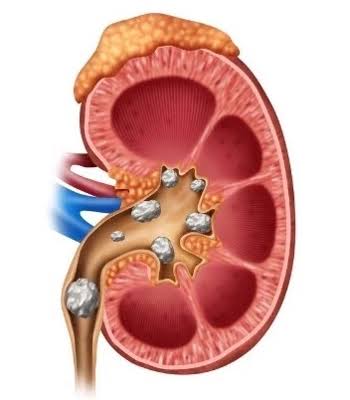
What is laser ureteroscopy?
Laser ureteroscopy is a reference minimally invasive technique for the treatment of urinary lithiasis (renal and ureteral stones). It consists of introducing a ureteroscope (very thin endoscope, rigid or flexible) through natural pathways: the urethra, the bladder, then the ureter up to the stone. Once the stone is located, a Holmium laser (Ho:YAG) is used to fragment it into fine particles (dust) which are then naturally eliminated in the urine.
When is laser ureteroscopy indicated?
Laser ureteroscopy is indicated in several situations. It treats blocked ureteral stones. It treats renal stones smaller than 2 cm. It is indicated for stones resistant to lithotripsy. It is used in pregnant women for renal colic. It is indicated in obese patients. It is used in patients on anticoagulants. It is indicated for anatomical anomalies such as horseshoe kidney.
What are the advantages of laser ureteroscopy?
Laser ureteroscopy offers many advantages. It is minimally invasive with passage through natural pathways. Its effectiveness is high with a fragmentation rate of 90 to 95%. Precision is ensured by direct visualization. Recovery is quick. Post-operative pain is less. It is suitable for all types of stones. Extraction of fragments allows diagnostic analysis.
How is a laser ureteroscopy performed?
Laser ureteroscopy takes place in several stages. Anesthesia is general or spinal. The patient is in gynecological position. The ureteroscope is introduced through the urethra to the stone. The Holmium laser fragments the stone. Large fragments are extracted with a basket. A JJ stent is placed to drain the ureter. Duration is 30 to 90 minutes depending on stone size.
Is laser ureteroscopy painful?
The aftermath of laser ureteroscopy is generally simple. No pain is felt during the procedure. Discomfort during urination is possible after the procedure. Burning and a small amount of blood in the urine are common. Renal colic may occur. Symptoms are controlled with painkillers and anti-inflammatories.
What are the possible risks and complications?
Laser ureteroscopy carries risks. Urinary tract infection is prevented by antibiotic prophylaxis. Hematuria is frequent but transient. Ureteral perforation is rare. Ureteral stricture is exceptional. Acute urinary retention is rare. Residual fragments may require a second session.
What are the after-effects of the procedure?
Post-operative instructions are important for good recovery. Hospitalization is outpatient or 1 to 2 days. Abundant hydration of 2.5 to 3 liters of water per day is recommended. Antibiotics are prescribed in case of infection. Painkillers are prescribed in case of pain. Return to work is possible in 2 to 7 days. The JJ stent is removed at 2-4 weeks. A control consultation is scheduled at 1 month with CT scan.
How to prevent stone recurrence?
Prevention of urinary stones is essential. Abundant hydration of 2.5 to 3 liters of water per day is recommended. Reduce salt and oxalates. Increase calcium and citrates. Stone analysis allows adapted prevention. Drug treatment may be prescribed. Regular follow-up is necessary at 6 months then annually.
What are the alternatives to laser ureteroscopy?
Several alternatives to laser ureteroscopy exist. Extracorporeal lithotripsy treats stones smaller than 2 cm. Percutaneous nephrolithotomy treats stones larger than 2 cm. Medical treatment is possible for stones smaller than 5 mm. Open surgery is exceptional, reserved for giant or complex stones.
What is the price of a laser ureteroscopy in Tunisia?
Tunisia offers very competitive prices for the treatment of urinary lithiasis. Laser ureteroscopy for simple ureteral stone costs between €800 and €1,200. Flexible laser ureterorenoscopy for renal stone costs between €1,200 and €1,800. Multiple or large stones are treated from €1,500 to €2,500. A complete package (procedure + JJ stent + follow-up) is offered from €1,000 to €2,200 depending on complexity. These prices are up to 70% cheaper than in Europe, without compromising the quality of care.
Frequently Asked Questions about Laser Ureteroscopy in Tunisia
1What is laser ureteroscopy?
Laser ureteroscopy is a minimally invasive technique that fragments kidney and ureteral stones using a Holmium laser. A ureteroscope (very thin endoscope) is introduced through the natural passages to the stone, which is then pulverized into fine particles.
2What are the symptoms of urinary stones?
Symptoms include: intense pain in the back or flank (renal colic), pain during urination, presence of blood in the urine (hematuria), nausea and vomiting, frequent urge to urinate, fever in case of associated infection.
3How is a laser ureteroscopy performed?
The procedure is performed under general or spinal anesthesia. The urologist introduces the ureteroscope through the urethra to the stone. The Holmium laser fragments the stone into dust. A JJ stent is often placed and removed 2 to 4 weeks later. Duration: 30 to 90 minutes.
4How long is the hospital stay?
Hospitalization is generally short: outpatient (same-day discharge) or 1 to 2 days depending on the complexity of the procedure. Return to daily activities is possible in 2 to 7 days.
5What are the risks of a laser ureteroscopy?
Risks are rare: urinary tract infection, transient hematuria, post-operative pain or colic, ureteral perforation (< 2%), ureteral stricture (< 1%), residual fragments requiring a second session.
6How long does recovery take?
Recovery is quick. Discomfort during urination and a small amount of blood in the urine may occur for 24 to 72 hours. It is advisable to drink 2.5 to 3 liters of water per day for 4 weeks. Return to work is possible in 2 to 7 days.
7Why choose Tunisia for a laser ureteroscopy?
Tunisia offers experienced urologists trained to European standards, modern equipment (Holmium laser, flexible ureteroscopes), competitive prices (up to 70% cheaper than in Europe) and rapid care without waiting lists.
Why choose Tunisia for a laser ureteroscopy?
Tunisia offers experienced urologists trained in the best European centers. Modern equipment includes Holmium laser and flexible ureteroscopes. Prices are competitive with savings up to 70%. Care is rapid with intervention within 1 to 2 weeks. All-inclusive packages include procedure and JJ stent. Personalized support is offered for international patients.
In Conclusion
Laser ureteroscopy is the reference technique for the treatment of urinary lithiasis. Tunisie Esthetic offers you quality care, performed by experienced urologists, in modern clinics, at attractive prices. Contact us for a personalized quote.