Intra-articular Injections
Are you suffering from joint pain related to osteoarthritis or inflammation? Intra-articular injections are a reference medical treatment to relieve pain and improve mobility. In Tunisia, experienced rheumatologists and orthopedists perform these infiltrations at competitive prices.
What are intra-articular injections?
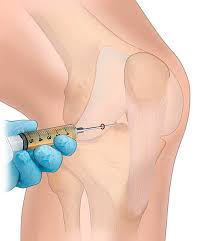 Intra-articular injections in Tunisia, also called joint infiltrations, consist of injecting a product directly into the painful joint. This medical procedure delivers the medication to the heart of the area to be treated. The products used are corticosteroids (anti-inflammatory action), hyaluronic acid (viscosupplementation) or PRP (tissue regeneration).
When are they indicated?
Joint infiltrations are indicated in many conditions. They treat osteoarthritis, such as gonarthrosis or coxarthrosis. Their goal is to relieve pain and improve joint function. They are used in inflammatory rheumatism as a complement to background treatment. Adhesive capsulitis benefits from corticosteroids to reduce inflammation. Calcific tendinopathy of the shoulder is also concerned.
What are the different types of injections?
Several types of intra-articular injections exist depending on the product used. Corticosteroids offer powerful and rapid anti-inflammatory action. Their effect lasts from a few weeks to a few months. Hyaluronic acid improves joint lubrication and shock absorption. Its effect is slower but more durable. PRP is prepared from the patient's blood. It stimulates the repair of joint tissues. Stem cells are still experimental for cartilage regeneration.
How is an intra-articular injection performed?
The injection procedure is simple and quick, lasting only 5 to 10 minutes. It is performed in consultation by the doctor. Before the injection, the doctor examines the joint. An ultrasound may be used for precise guidance. Rigorous asepsis is performed by disinfecting the skin. Local anesthesia is possible but often not necessary. The needle is introduced into the joint space. A reflux of synovial fluid confirms the correct position. The product is then injected slowly.
Which joints can be injected?
Most joints can benefit from infiltrations. The knee is the most frequently injected joint, particularly for gonarthrosis. The hip, due to its depth, often requires ultrasound guidance. The shoulder is treated for omarthrosis, capsulitis or tendinopathies. The wrist and fingers can be injected for rhizarthrosis. The ankle, foot and elbow can also be treated.
Is the injection painful?
The intra-articular injection is not very painful thanks to fine needles. The patient feels a small prick at the time of skin penetration. This sensation is comparable to a blood draw. Pressure may be felt during the injection. It is not frankly painful. After the injection, slight discomfort may occur. A transient increase in pain is possible within 24 to 48 hours. This phenomenon is perfectly normal.
What are the side effects and risks?
Intra-articular injections are generally well tolerated. Side effects are rare. A "post-injection flare" may occur within 24 hours. It manifests as a benign inflammatory flare, especially after corticosteroids. Redness or local heat are possible. Joint infection is very rare, with less than 1 case in 50,000 thanks to rigorous asepsis. Hemarthrosis is rare. Cartilage damage may occur if corticosteroids are repeated too often.
What are the contraindications?
Joint infiltrations have absolute and relative contraindications. Local or general infection formally contraindicates the procedure. A recent unconsolidated joint fracture is also prohibited. A joint prosthesis exposes to a major infectious risk. Severe hemostasis disorders are dangerous. Pregnancy should be avoided, especially in the first trimester. Allergy to the injected products prohibits injection. Unbalanced diabetes increases the risk of hyperglycemia.
How many injections are needed?
The number of injections depends on the product used and the pathology. For corticosteroids, a single injection is usual. It can be repeated every 3 to 6 months, with a maximum of 3 to 4 per year. Hyaluronic acid requires 1 to 3 injections spaced one week apart. The protocol can be repeated every 6 to 12 months. PRP requires 1 to 3 injections with an interval of 3 to 4 weeks. Optimal results appear after 2 to 3 months.
What are the results and effectiveness?
The effectiveness of joint infiltrations varies depending on the product used. Corticosteroids provide rapid relief in 48 to 72 hours. Their effectiveness lasts from 3 to 12 weeks. Hyaluronic acid provides progressive improvement in 3 to 6 weeks. Maximum effectiveness is reached at 3 months and lasts 6 to 12 months. PRP gives results from 2 to 3 months. Its lasting effectiveness is 12 to 24 months. The satisfaction rate is about 70 to 80% after a complete course.
What precautions after the injection?
After a joint infiltration, some precautions are necessary. Relative joint rest is recommended for 24 to 48 hours. Avoid intense efforts, prolonged walking or heavy lifting. Apply cold locally 3 to 4 times a day to limit inflammation. Monitor the joint carefully. Redness, heat, intense pain or fever should prompt urgent consultation. Avoid contact sports for one week. Gradually resume physical activity after 48 hours.
What is the price of intra-articular injections in Tunisia?
Tunisia offers very competitive prices for joint infiltrations. Corticosteroid injection costs between €40 and €80 per session. Hyaluronic acid injection is charged from €100 to €200 per injection. A complete protocol of 3 injections costs €300 to €600. PRP injection is offered from €150 to €300 per session. A package for 3 hyaluronic acid injections is available from €500 to €800. These prices are up to 50 to 70% cheaper than in Europe. A personalized quote will be provided after consultation.
Frequently Asked Questions about Intra-articular Injections
1Can I resume sports after an intra-articular injection?
Resuming sports after an intra-articular injection should be progressive. Relative rest is recommended for 48 hours, then a gentle return to activities is possible. Impact sports like running or tennis should be avoided for one week. Your doctor will give you personalized instructions depending on the treated joint and the product injected.
2Are intra-articular injections effective in the long term?
Long-term effectiveness depends on the product used and the condition being treated. Hyaluronic acid provides improvement for 6 to 12 months, while corticosteroids act for a few weeks to a few months. For lasting effectiveness, a protocol of several sessions is often recommended, combined with physiotherapy sessions to strengthen the muscles around the joint.
3Can I have an intra-articular injection while on blood thinners?
Having an injection while on blood thinners is not recommended due to the risk of bleeding. If you are taking anticoagulants or antiplatelet drugs, inform your doctor. They may ask you to temporarily stop your treatment or refer you to another therapeutic solution. A consultation with your primary care physician is necessary before any decision.
4How long does a consultation for a joint infiltration take?
A consultation for a joint infiltration generally lasts between 15 and 30 minutes. This time includes the clinical examination, joint assessment, preparation of the injection and the procedure itself. If a guidance ultrasound is performed, the consultation may last up to 45 minutes. The patient can go home immediately after the injection.
5What is the difference between an infiltration and an intra-articular injection?
These two terms are often used as synonyms. An infiltration is a broader term that refers to the injection of a product into a tissue or cavity, while an intra-articular injection specifically refers to an infiltration into the joint. In practice, these terms are interchangeable to designate the therapeutic procedure performed in the joint.
6Is there an age limit for receiving joint injections?
There is no age limit for receiving intra-articular injections. This treatment can be offered to both young patients and elderly people, subject to a prior medical evaluation. In elderly patients, these injections can relieve pain related to osteoarthritis and improve quality of life without the risks of major surgery.
7Can multiple types of injections be combined in the same joint?
It is possible to combine several types of injections in the same joint, but this should be done at different times. For example, a protocol may start with a corticosteroid injection to reduce inflammation, followed a few weeks later by hyaluronic acid injections for viscosupplementation. This combined strategy can offer optimal results in some patients.
Why choose Tunisia for your intra-articular injections?
Tunisia is a recognized medical destination for interventional rheumatology. Our rheumatologists and orthopedists are experienced and trained in Europe. They master injection under interventional ultrasound in real time. This technique ensures precise joint guidance. Our prices are competitive with significant savings. Care is prompt, with no waiting lists. The products used are CE and FDA certified. We offer personalized support for international patients.
In Conclusion
Intra-articular injections are a treatment of choice to relieve pain and improve joint function in osteoarthritis and inflammatory rheumatism. In Tunisia, Tunisie Esthetic offers you quality care, performed by experienced rheumatologists and orthopedists, with certified products and competitive prices. Feel free to contact us to discuss your situation and obtain a personalized quote.