Life-Threatening Condition
Are you or a loved one in a critical condition requiring urgent care? Management of critically ill patients in Tunisia is provided by experienced intensivists and critical care specialists in modern units equipped with state-of-the-art technology. Invasive monitoring, mechanical ventilation, circulatory support, renal replacement therapy are available 24/7 at competitive prices.
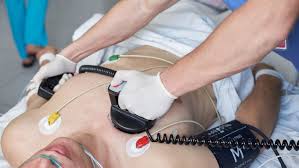
What is a life-threatening condition?
A life-threatening condition (or critical state) is a medical situation in which the patient's life is threatened in the short or medium term (hours to days). These patients require immediate care in an intensive care unit or critical care unit to benefit from continuous monitoring, invasive monitoring and support of failing vital functions.
Situations that are life-threatening are numerous. Severe acute respiratory failure can occur. Circulatory failure such as septic shock is possible. Acute neurological failure may appear. Acute renal failure can occur. Acute liver failure is an emergency. Polytrauma is a critical situation. Resuscitated cardiac arrest is serious. Severe sepsis or septic shock is an emergency. Severe intoxications can occur. Extensive burns are also a concern.
What are the signs of severity of a life-threatening condition?
Severity assessment is based on clinical signs and prognostic scores. Respiratory distress is a sign of severity. Hemodynamic instability is another sign. Altered consciousness is serious. Oliguria or anuria is a sign of severity. High fever or hypothermia is also a sign.
Prognostic scores used in intensive care
Standardized prognostic scores assess severity in intensive care. The SOFA score evaluates 6 organs from 0 to 24. A SOFA above 12 indicates a mortality greater than 50%. IGS II uses 12 parameters plus age. An IGS II above 60 indicates a mortality greater than 60%. SAPS II uses 17 variables from 0 to 163 points. A SAPS II above 50 indicates a mortality greater than 40%. APACHE II combines 12 parameters, age and comorbidities. An APACHE II above 35 indicates a mortality greater than 70%.
How is the management carried out in Tunisia?
Management takes place in a multidisciplinary intensive care unit or critical care unit, with a multidisciplinary team 24/7.
1. Admission and initial assessment
The initial assessment in intensive care is comprehensive. Continuous monitoring is provided by cardiac monitor and pulse oximetry. Invasive blood pressure and hourly urine output are monitored. An extensive biological workup is performed. Imaging tests are prescribed. Severity scores SOFA, IGS II and APACHE II are calculated.
2. Organ failure support
Supportive therapies in intensive care are varied. Respiratory support includes oxygen therapy, NIV and invasive ventilation. Prone positioning is used if PaO2/FiO2 is less than 150. Veno-venous ECMO is possible for refractory ARDS. Circulatory support uses fluid resuscitation and vasopressors such as norepinephrine. Inotropes are used in case of cardiogenic shock. Veno-arterial ECMO is indicated in case of refractory shock. Renal replacement therapy by continuous hemofiltration is indicated in case of anuria or hyperkalemia.
3. Supportive care and complication prevention
Supportive care in intensive care is essential. Enteral artificial nutrition is preferred. Pressure ulcer prevention uses alternating pressure mattresses. DVT prevention uses LMWH and compression stockings. Gastric ulcer prophylaxis with PPI is provided. Prevention of nosocomial infections is based on hand hygiene. Strict glycemic control is maintained.
What are the prognoses and severity factors?
Prognosis in intensive care depends on several factors. The number of organ failures is a major factor. Age over 65 multiplies mortality by 2 to 3. Comorbidities such as immunosuppression worsen the prognosis. The cause of admission is determining. The management delay is crucial. Early support improves the prognosis.
What to do after intensive care? Post-intensive care rehabilitation
Post-intensive care rehabilitation is multidisciplinary. Intensive motor physiotherapy restores muscle strength. Speech therapy and neuropsychology re-educate swallowing and cognitive functions. Occupational therapy relearns activities of daily living. A psychologist or psychiatrist treats post-traumatic stress. Specialized follow-up is provided by cardiologists, pulmonologists and neurologists. A social worker helps with return to work and orientation to rehabilitation centers.
What is the price of critical condition care in Tunisia?
Tunisia offers very competitive prices for the management of critically ill patients. Initial intensive care management over 24 hours costs between €800 and €1,500. Intensive care hospitalization per day costs between €600 and €1,200. Invasive mechanical ventilation per day ranges from €300 to €600. Continuous hemofiltration per day costs from €400 to €800. ECMO per day costs from €2,500 to €4,000. A complete 15-day intensive care package is available from €10,000 to €15,000. A complete 30-day package is offered from €18,000 to €25,000. These prices are up to 60 to 70% cheaper than in Europe, without compromising quality.
Frequently Asked Questions about Critical Condition Care in Tunisia
1What is the difference between intensive care and critical care units?
Intensive care is a unit specialized in the management of patients requiring support for at least one vital function (mechanical ventilation, vasopressors, renal replacement therapy). Critical care units are continuous monitoring units for unstable patients but not necessarily requiring mechanical ventilation or vasopressors. Both units operate 24/7 with a high nurse-to-patient ratio.
2What is the SOFA score and what is it used for?
The SOFA (Sequential Organ Failure Assessment) score is a prognostic score used in intensive care to assess the severity of organ failures. It evaluates 6 organ systems (respiratory, coagulation, liver, cardiovascular, neurological, renal) with a score from 0 to 24. A high SOFA score is correlated with higher mortality. It is calculated on admission and then daily to monitor the patient's progress.
3What are the signs of a life-threatening condition?
Clinical signs of a life-threatening condition include: severe respiratory distress (SpO2 < 90%, tachypnea), hemodynamic instability (SBP < 90 mmHg, tachycardia), altered consciousness (Glasgow Coma Scale ≤ 12), oliguria or anuria (urine output < 0.5 mL/kg/h), signs of sepsis (fever or hypothermia), and signs of multiorgan failure (jaundice, bruising).
4What treatments are available in intensive care for a life-threatening condition?
Intensive care treatments include: mechanical ventilation (invasive or non-invasive), vasopressors (norepinephrine) and inotropes (dobutamine) for shock, continuous hemofiltration for acute renal failure, sedation and analgesia, enteral or parenteral nutrition, and etiological treatments (antibiotics, surgery, neurosurgery). Advanced techniques such as ECMO can be used in specialized centers.
5What is the average length of stay in intensive care?
The length of stay in intensive care is highly variable, ranging from a few days to several months. The average length is 7 to 15 days for patients without major complications. It depends on the reason for admission, the number of organ failures, complications (nosocomial infections, persistent multiorgan failure) and functional recovery.
6What are the possible sequelae after an intensive care stay?
Possible sequelae (Post-Intensive Care Syndrome - PICS) include: intensive care unit-acquired weakness (30-50% of patients), cognitive disorders (memory, attention), psychological disorders (anxiety, depression, post-traumatic stress), organ sequelae (chronic renal failure, COPD, heart failure), and swallowing disorders. Multidisciplinary rehabilitation is essential.
7Is Tunisia equipped to manage critically ill patients?
Yes, Tunisia has modern intensive care units, equipped with latest-generation ventilators, invasive monitors, continuous hemofiltration devices and ultrasound machines. Tunisian intensivists are trained to international standards (SRLF, ESICM, Surviving Sepsis Campaign). Some university hospitals also have ECMO for the most severe cases (refractory ARDS, cardiogenic shock).
Why choose Tunisia for critical condition care?
Tunisia has highly qualified intensivists and critical care specialists trained in Europe. Intensive care units are modern with invasive monitoring and latest-generation ventilators. Continuous hemofiltration devices and high-resolution ultrasound machines are available. ECMO is possible in university hospitals. Management delays are short with admission within 1 hour. All-inclusive packages include hospitalization, invasive monitoring and mechanical ventilation. Sedation, vasopressors and hemofiltration are included. Enteral nutrition, biological tests and imaging are also covered. Early rehabilitation is started.
In Conclusion
The management of critically ill patients is an absolute emergency requiring an experienced intensive care team and state-of-the-art equipment. Tunisie Esthetic offers you quality care, performed by qualified intensivists and critical care specialists, in modern facilities, at attractive prices. Do not hesitate to contact us to discuss your situation and obtain a personalized quote.