Chemotherapy
Have you or a loved one received a cancer diagnosis and are looking for quality chemotherapy treatment? Chemotherapy in Tunisia is offered by experienced oncologists, with quality medications and personalized care. With attractive prices starting from €500 per cycle, benefit from treatment conforming to international standards.
What is chemotherapy?
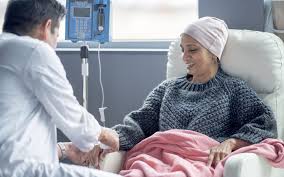 Chemotherapy is a medical treatment that uses powerful drugs (cytostatics or antineoplastics) to destroy cancer cells. It works by preventing the growth, division and spread of cancer cells in the body.
- Systemic treatment: Acts on the entire body
- Administered intravenously, orally or locally
- Used alone or in combination with surgery or radiotherapy
When is chemotherapy used?
Chemotherapy can be used at different stages of cancer treatment. Adjuvant chemotherapy is administered after surgery to eliminate residual cells. Neoadjuvant chemotherapy is performed before surgery to reduce tumor size. Curative chemotherapy is the main treatment for certain cancers such as leukemias or lymphomas. Palliative chemotherapy aims to relieve symptoms and improve quality of life. Finally, maintenance chemotherapy prolongs remission with low-dose treatment.
How does a chemotherapy session take place?
A chemotherapy session follows a well-established protocol that begins with a prior consultation with blood tests and evaluation of vital functions, then preparation of medications in the hospital pharmacy according to strict safety rules, before being administered by intravenous infusion, the duration of which varies from a few minutes to several hours, under careful monitoring of vital signs and possible allergic reactions. Cycles are generally spaced 2 to 4 weeks apart to allow the body to recover between cycles, and the total treatment duration is on average 3 to 6 months, depending on the type and stage of cancer, with possible protocol adjustment based on response and tolerance.
What are the different types of chemotherapy?
The different families of chemotherapies act by distinct mechanisms to destroy cancer cells. Alkylating agents damage the DNA of tumor cells. Antimetabolites disrupt DNA synthesis, thus blocking their proliferation. Plant alkaloids prevent cell division by acting on the mitotic spindle. Antitumor antibiotics intercalate DNA and block its replication. Finally, targeted therapies act specifically on certain molecules of cancer cells, while immunotherapy stimulates the immune system to fight cancer.
What are the side effects of chemotherapy?
Chemotherapy causes several side effects, including intense fatigue which is the most common. Nausea and vomiting are well controlled by modern antiemetics. Hair loss is temporary and reversible after treatment. Lowered immune defenses expose to increased infectious risk. Anemia causes fatigue and shortness of breath in some patients. Bleeding risk may occur due to low platelets. Mouth sores and mucositis, i.e., ulcerations of the mouth, are also possible. Digestive disorders such as diarrhea or constipation may appear. Finally, some medications can affect the heart, kidneys or nerves.
How to manage side effects?
After a chemotherapy session, side effects must be managed daily to improve patient comfort. Intense fatigue requires adapting one's rhythm by alternating periods of activity and rest, without trying to do everything at once. Nausea is controlled by antiemetic medications, and smaller, less fatty meals, divided throughout the day, help tolerate them better. In case of lowered immunity, contact with sick people should be avoided and any fever should be monitored, as an infectious sign must be reported quickly. Mouth sores and inflammations can be relieved by mouthwashes and cold or warm food. Hair loss, although frequent, is temporary, and wearing wigs or scarves can help live through this stage. Finally, psychological support, through individual support or support groups, allows going through this period with more serenity.
How to prepare for chemotherapy?
Before chemotherapy, a complete assessment evaluates vital functions. A dental consultation prevents infections. It is advisable to plan for a hair prosthesis. Family support is useful for transport and daily help. A dietitian adapts the diet. Contraception is mandatory during treatment. You should also inform your employer and organize your work.
What is the price of chemotherapy in Tunisia?
Tunisia offers very competitive prices for chemotherapy treatments, with prices ranging from 500 to 1,000 euros for a simple cycle, and 1,000 to 2,500 euros for a cycle including targeted therapy, while a complete six-cycle protocol can cost between 3,000 and 8,000 euros depending on the molecules used. Day hospitalization is charged approximately 150 to 300 euros per session. These prices are 50 to 70% cheaper than in Europe. A personalized quote is provided after review of your medical file, and we can also help you with insurance coverage procedures.
Frequently asked questions about chemotherapy
1How long does a chemotherapy session last?
The duration of a session varies from a few minutes to several hours depending on the protocol. A standard session generally lasts 1 to 3 hours. Day hospitalization is the most common.
2Does chemotherapy cause complete hair loss?
Hair loss depends on the medication used. Some protocols cause complete alopecia, others partial loss. Regrowth generally begins 2 to 3 months after treatment ends.
3Can you work during chemotherapy?
This depends on the patient's tolerance and type of work. Time off or schedule adjustment is often recommended, especially during the days following infusion. Gradual return is advised.
4Is chemotherapy compatible with pregnancy?
Chemotherapy is generally contraindicated during pregnancy, especially in the first trimester, due to the risk of fetal malformations. Effective contraception is mandatory during treatment.
5Can you eat normally during chemotherapy?
Diet may be modified due to side effects (nausea, mouth sores, loss of appetite). Small, cold, low-fat meals are recommended. Advice from a dietitian is valuable.
6Is chemotherapy painful?
The injection itself is not painful, but some products may cause a burning sensation during infusion. Pain is mainly related to side effects (mucositis, neuropathies).
7Can chemotherapy be covered by insurance?
Many international insurance companies cover chemotherapy costs in Tunisia. A personalized quote is established before treatment. Our team helps you with administrative procedures.
Why choose Tunisia for chemotherapy?
Tunisia is a reference medical destination for chemotherapy, thanks to its experienced oncologists trained in Europe. Technical platforms are modern, with laboratories and pharmacies certified according to international standards. Prices are very competitive, offering savings of 50 to 70% compared to Europe. Medications used are of high quality and conform to international standards. Care is comprehensive and coordinated with surgeons and radiotherapists. Personalized support is offered for accommodation, transport and interpreters. Finally, the pleasant setting and favorable climate help convalescence.
In conclusion
Chemotherapy remains a major pillar of cancer treatment. In Tunisia, Tunisie Esthetic offers you quality oncological care, with experienced oncologists, modern equipment and competitive prices. A multidisciplinary team supports you throughout your treatment, from diagnosis announcement to remission. Do not hesitate to contact us to discuss your situation and obtain a personalized quote.