Cochlear Implant
Do you suffer from profound or severe deafness and hearing aids are no longer enough? The cochlear implant is an advanced medical solution that restores hearing by directly stimulating the auditory nerve. In Tunisia, specialized ENT surgeons offer this procedure with cutting-edge technologies at competitive prices.
What is a cochlear implant?
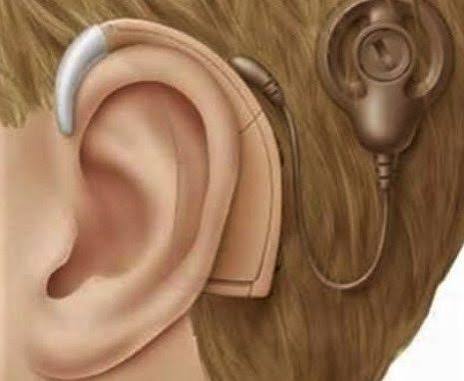 The cochlear implant in Tunisia is an electronic medical device designed to restore hearing in people with bilateral profound or severe deafness. Unlike hearing aids that amplify sounds, the cochlear implant converts sounds into electrical signals that directly stimulate the auditory nerve. It consists of an internal part surgically implanted in the temporal bone and an external part worn behind the ear. This technology allows deaf patients to perceive sounds and significantly improve their communication.
Indications for a cochlear implant
A cochlear implant is indicated in several situations. Bilateral profound deafness in adults and children is the main indication. Patients who do not benefit sufficiently from hearing aids can benefit from it. In children, implantation is ideally performed before the age of 3 to promote language acquisition. Deafness acquired after meningitis or ototoxicity can also be treated. A complete pre-implantation evaluation is essential to confirm the indication.
Causes of deafness
The causes of profound deafness are varied. Congenital deafness is often genetic or related to infections during pregnancy. Acquired deafness can result from meningitis, viral infections or noise trauma. Aging can also lead to progressive hearing deterioration. Some ototoxic medications can damage the inner ear. In many cases, the exact cause remains unknown. Early diagnosis is essential for optimal management.
Symptoms of profound deafness
The symptoms of profound deafness are easily identifiable. The patient does not hear sounds even at high volume. Oral communication is extremely difficult or impossible. Hearing aids do not provide significant improvement. In children, a language delay or absence of reaction to sounds should alert. Social isolation and frustration are common in adults. A complete audiological evaluation allows the diagnosis to be made.
Diagnosis of deafness
The diagnosis of deafness is based on a complete audiological evaluation. Precise audiometric tests measure the hearing threshold. Auditory evoked potentials evaluate the integrity of the auditory nerve. MRI or CT imaging checks the anatomy of the inner ear. A speech therapy evaluation assesses communication abilities. In children, the diagnosis is often made in the first months of life thanks to newborn screening. A multidisciplinary team confirms the indication for a cochlear implant.
Treatments for deafness
The treatment of deafness depends on the degree and cause. Hearing aids are effective for mild to severe deafness. They amplify sounds and facilitate communication. For profound or severe deafness, the cochlear implant is the reference treatment. It directly stimulates the auditory nerve. Speech therapy rehabilitation is essential after implantation. It allows learning to interpret new sounds. Regular follow-up is necessary to adjust the settings.
Cochlear implant surgery
Cochlear implant surgery is a specialized procedure. It is performed under general anesthesia and lasts about 2 to 3 hours. The ENT surgeon makes an incision behind the ear. He drills a recess in the temporal bone to house the internal housing. The electrodes are inserted into the cochlea to stimulate the auditory nerve. The procedure is precise and requires great experience. Hospitalization is generally 1 to 3 days.
Recovery after a cochlear implant
Recovery after a cochlear implant takes place in several phases. A rest period of a few days is necessary. Activation of the implant takes place 3 to 6 weeks after surgery. The first sounds perceived may be strange. Regular adjustment sessions allow the implant to be tuned. Speech therapy rehabilitation begins after activation. Results improve progressively over several months. Return to work is possible in 1 to 2 weeks.
Expected results
The results of a cochlear implant are very satisfactory. Most patients regain sound perception. Oral communication is considerably improved. In children implanted early, language acquisition can be almost normal. Implanted adults regain a better quality of life and a strengthened social bond. Results depend on age, duration of deafness and rehabilitation. Regular follow-up is essential to optimize performance.
What is the price of a cochlear implant in Tunisia?
Tunisia offers very competitive rates for cochlear implants. The price of a unilateral cochlear implant ranges from €15,000 to €20,000. Bilateral implantation is billed from €25,000 to €35,000. A complete package includes consultations, procedure, device, adjustments and follow-up. These prices are up to 40 to 50% cheaper than in Europe, with no compromise on quality.
Frequently Asked Questions about Cochlear Implants
1Does a cochlear implant permanently replace natural hearing?
A cochlear implant does not restore natural hearing. It provides a different sound perception that the brain must learn to interpret. Sounds are perceived electronically and require gradual adaptation. This is why speech therapy rehabilitation is essential to get the most out of the implant.
2Can you play sports or swim with a cochlear implant?
The internal part of the implant is protected under the skin and is not afraid of water. The external part must be removed for swimming and water sports. Waterproof accessories exist for certain activities. Contact sports are generally discouraged to avoid impacts on the internal housing. Medical advice is recommended for each situation.
3Is the cochlear implant visible and how is it worn daily?
The internal part is completely invisible as it is implanted under the skin. The external part is worn behind the ear, like a hearing aid, and remains discreet. It is held in place by a magnet that passes through the skin. Daily wear is simple and the device turns on and off easily. Hair can conceal the external processor if the patient wishes.
4What precautions should be taken with a cochlear implant?
Direct impacts on the implanted area should be avoided and the external part should be removed during MRI examinations, unless otherwise indicated by the manufacturer. Some powerful electrical devices can disrupt operation. Very noisy environments can be tiring at first. Regular maintenance of the device and medical follow-up help prevent complications.
5Can a cochlear implant be placed on both sides at the same time?
Simultaneous bilateral implantation is possible in certain cases, particularly in children with congenital profound deafness. It allows better sound localization and more natural understanding in noise. In adults, both implants can be placed in one or two procedures depending on general condition and the medical team's recommendations.
6Is the cochlear implant compatible with medical examinations such as MRI?
MRI compatibility depends on the implant model. Most recent implants are designed to be compatible under certain conditions. The external part must always be removed before the examination. It is imperative to inform the radiologist of the presence of the implant and to check the manufacturer's recommendations before any imaging examination.
7What happens if the cochlear implant breaks down or needs to be replaced?
The internal part of the implant is designed to last for many years. In case of failure, surgical reimplantation can be considered. The external part, which is more exposed, can be repaired or replaced more easily. Regular follow-up allows any malfunction to be detected and the device to be maintained.
Why choose Tunisia for your cochlear implant?
Tunisia is a recognized destination for cochlear implants. Its ENT surgeons are trained to international standards. They have extensive experience in implantation techniques. The clinics are modern with cutting-edge technologies. The prices are competitive with significant savings. Care is fast and personalized. Tunisia offers a pleasant setting for convalescence.
In Conclusion
The cochlear implant is an effective solution for people with profound or severe deafness. Cochlear implant surgery restores hearing and considerably improves quality of life. In Tunisia, Tunisie Esthetic offers you quality care, performed by specialized ENT surgeons, with modern techniques and competitive prices. Do not hesitate to contact us to discuss your situation and obtain a personalized quote.