Structural Rhinoplasty
Do you want a harmonious, natural nose that is in harmony with your face?Structural rhinoplasty is an advanced surgical technique that reshapes the nose while respecting its anatomy and respiratory function. In Tunisia, specialized plastic surgeons master this modern approach for natural and lasting results at competitive prices.
What is structural rhinoplasty?
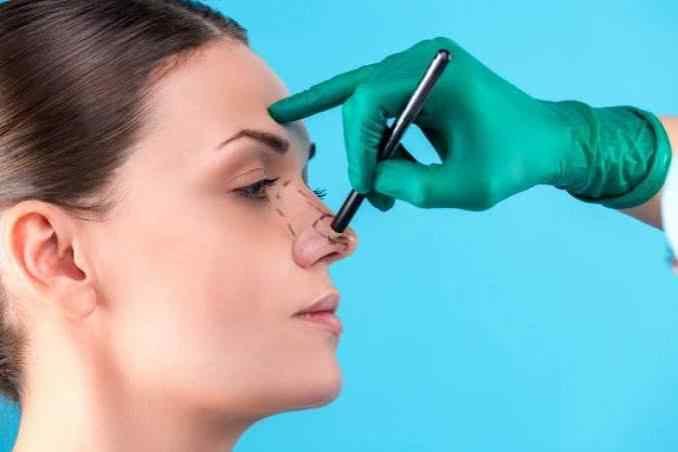 Structural rhinoplasty in Tunisia is a nose surgery technique that consists of strengthening and reshaping the bone and cartilage structure of the nose. Unlike classic rhinoplasty which simply reduces or increases volume, structural rhinoplasty uses cartilage grafts harvested from the patient (septum, ear, ribs) to rebuild a solid support. This approach allows obtaining a natural result, preserving respiratory function and limiting the risks of secondary deformation. It is particularly indicated for complex noses, revision surgeries and patients with thin skin.
Indications for structural rhinoplasty
Structural rhinoplasty is indicated in several situations. Difficult noses with a fragile or asymmetrical structure particularly benefit from it. Revision surgeries after an unsatisfactory first rhinoplasty are a frequent indication. Patients with thin skin in whom classic techniques give irregular results are good candidates. Preservation of respiratory function is a major objective. Septal deviations can be corrected simultaneously. A complete preoperative evaluation confirms the indication.
Causes of nasal imperfections
Nasal imperfections can have several origins. Genetics largely determines the shape of the nose. Trauma such as fractures can deform the nasal structure. Aging leads to sagging tissues and a modification of the tip. Certain congenital malformations affect breathing and aesthetics. Unsatisfactory results of a first rhinoplasty may require revision. In all cases, a precise analysis determines the appropriate technique.
Symptoms and reasons for consultation
The reasons for consultation for structural rhinoplasty are varied. The patient may present an aesthetic discomfort related to the size, width or shape of the nose. An asymmetry or a drooping tip can be a source of dissatisfaction. Breathing difficulties may accompany aesthetic imperfections. Social discomfort or loss of self-confidence are frequent. Some patients consult after an unsatisfactory first rhinoplasty. A global facial analysis is essential for a harmonious result.
Preoperative diagnosis
Preoperative diagnosis is a crucial step. The plastic surgeon performs a complete clinical examination of the nose and face. Standardized photographs are taken to analyze proportions. A computer simulation may be offered to visualize the result. An ENT examination evaluates respiratory function. CT imaging may be requested in complex cases. An anesthesia consultation is systematic. The surgeon defines with the patient the realistic objectives of the procedure.
Structural rhinoplasty techniques
Structural rhinoplasty relies on several techniques. The approach can be closed (without visible scar) or open (with a fine incision at the columella). Cartilage grafts are harvested from the septum, ear or ribs. They are used to strengthen the tip, correct asymmetries or rebuild sagging structures. Support grafts are placed to stabilize the nose. The preservation technique allows preserving ligaments and natural tissues. Each procedure is personalized according to the patient's anatomy.
The course of the procedure
Structural rhinoplasty is performed under general anesthesia. The procedure generally lasts 2 to 4 hours depending on complexity. The surgeon makes the incisions and dissects the tissues. The cartilages are reshaped and the grafts placed. The nasal septum is corrected if necessary. The incisions are closed with very fine sutures. A splint is placed to protect the nose. Hospitalization is generally 1 to 2 days.
Recovery after structural rhinoplasty
Recovery after structural rhinoplasty takes place in several phases. Edema and bruising appear around the eyes for a few days. The splint is removed after 7 to 10 days. The sutures are removed gradually. Wearing a night splint may be recommended for a few weeks. Intense physical activities are discouraged for 4 to 6 weeks. Swelling gradually decreases over several months. Final results are visible after 6 to 12 months.
Expected results
The results of structural rhinoplasty are natural and lasting. The nose regains a harmonious shape in harmony with the face. Respiratory function is preserved or improved. The nasal tip is more defined and supported. Asymmetries are corrected. The profile is more balanced. Results refine over time as the edema disappears. Patient satisfaction is generally very high. Regular follow-up allows verifying the stability of the result.
What is the price of structural rhinoplasty in Tunisia?
Tunisia offers very competitive rates for structural rhinoplasty. The price of a simple structural rhinoplasty ranges from €2,000 to €3,000. A complex rhinoplasty with cartilage grafts is billed from €3,000 to €4,500. A revision surgery can reach €4,500 to €5,500. A complete package includes consultations, procedure, anesthesia, hospitalization and follow-up. These prices are up to 50 to 60% cheaper than in Europe, with no compromise on quality.
Frequently Asked Questions about Structural Rhinoplasty
1Does structural rhinoplasty change the voice or the sense of smell?
Structural rhinoplasty generally does not affect the voice, as the vocal cords are not touched. Regarding the sense of smell, a temporary decrease may occur after the procedure due to nasal edema. Olfactory function gradually returns within a few weeks. In rare cases, a permanent change in smell may occur, but it remains exceptional.
2Can you undergo structural rhinoplasty after the age of 50?
There is no strict age limit for structural rhinoplasty. However, after 50, the skin loses its elasticity and healing may be slower. The surgeon evaluates the general condition of the skin, the quality of the cartilage and the patient's expectations. A procedure at this age is entirely possible if the patient is in good health and the objectives are realistic.
3Can structural rhinoplasty correct a deviated nasal septum?
Yes, structural rhinoplasty often treats both the aesthetic and functional aspects of the nose simultaneously. When a deviated nasal septum causes breathing difficulties, the surgeon can correct it during the same operation. This combined approach, called functional rhinoplasty, improves both the appearance of the nose and breathing.
4What are the possible risks and complications of structural rhinoplasty?
Like any surgery, structural rhinoplasty carries risks. Possible complications include bleeding, infections, residual asymmetry, excessive scarring or aesthetic dissatisfaction. The use of cartilage grafts may lead to partial resorption or displacement. Rigorous follow-up and compliance with post-operative instructions help minimize these risks.
5Is structural rhinoplasty reversible?
Structural rhinoplasty is not a reversible procedure. Once the cartilages are reshaped and the grafts placed, the nose keeps its new structure. A revision surgery is possible in case of dissatisfaction, but it is more complex and requires particular expertise. It is therefore essential to think carefully before the procedure and to discuss expectations with the surgeon.
6How do you choose between classic and structural rhinoplasty?
The choice between classic and structural rhinoplasty depends on the complexity of the case and the objectives. Structural rhinoplasty is preferred for difficult noses, revision surgeries or when respiratory function must be preserved. Classic rhinoplasty may be sufficient for simple corrections. The surgeon determines the most suitable technique during the preoperative consultation.
7Does structural rhinoplasty leave visible scars?
Structural rhinoplasty can be performed via a closed approach, without a visible scar, or via an open approach with a small incision at the columella. This incision is generally very discreet and blends into the skin. Over time, the scar fades considerably. The choice of approach depends on the complexity of the procedure and the surgeon's preferences.
Why choose Tunisia for your structural rhinoplasty?
Tunisia is a recognized destination for structural rhinoplasty. Its plastic surgeons are trained to international standards. They have extensive experience in modern techniques. The clinics are modern with cutting-edge technologies. The prices are competitive with significant savings. Care is fast and personalized. Tunisia offers a pleasant setting for convalescence.
In Conclusion
Structural rhinoplasty is an advanced technique that allows obtaining a harmonious, natural and functional nose. In Tunisia, Tunisie Esthetic offers you quality care, performed by specialized plastic surgeons, with modern techniques and competitive prices. Do not hesitate to contact us to discuss your situation and obtain a personalized quote.